
Video games often give creators the freedom to blur the line between reality and fiction, combining real-world inspiration with artistic interpretation. That is exactly what Riot Games has done with Bind, one of Valorant’s most distinctive maps.
Video games often give creators the freedom to blur the line between reality and fiction. That is exactly what Riot Games has done with Bind, one of Valorant’s most distinctive maps.
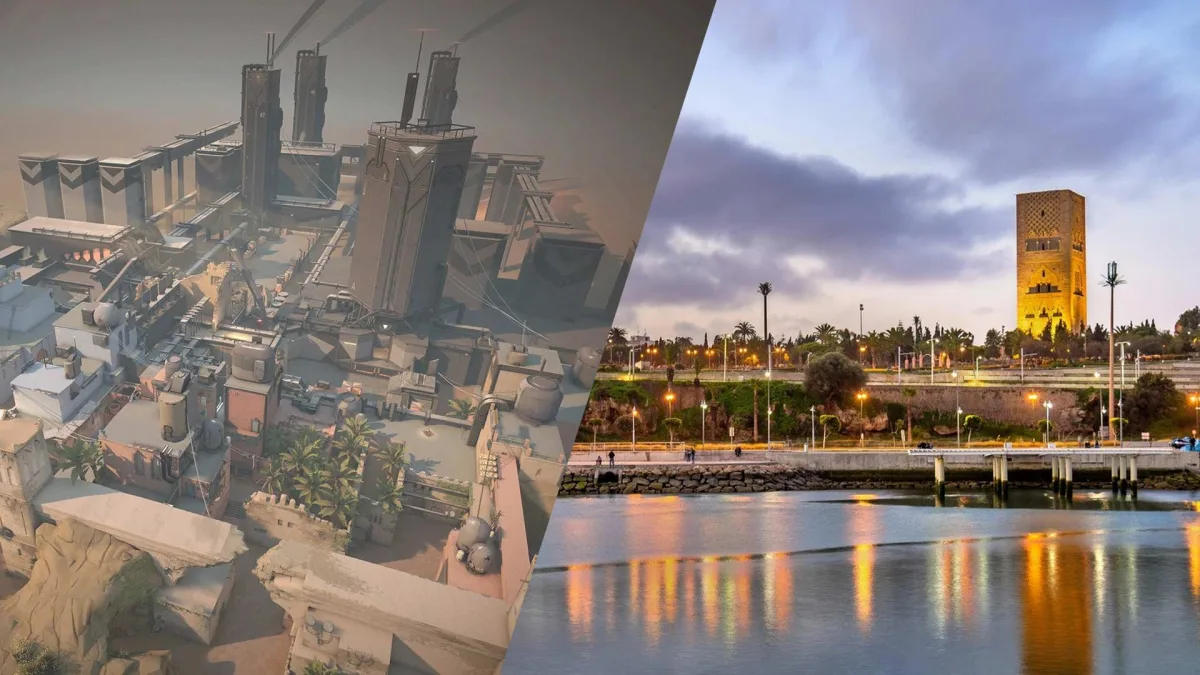
Bind: A Sahara Called Rabat
Rabat, the capital of Morocco, is known for its Atlantic coastline, rich history, and cultural diversity. Yet when players enter Bind, they are greeted by an environment that feels far closer to the vast landscapes of the Moroccan Sahara than to the streets of Rabat.
Associating Rabat with a map that is so clearly shaped by a desert setting is an intriguing choice. It is not an attempt to redefine Morocco’s geography, but rather an artistic decision: a way of capturing part of the country’s identity through a different visual lens.
Rabat Today: Between History and Modernity
To better understand the contrast with Bind, it is worth looking at Rabat as it exists today.
A historic capital facing the Atlantic, Rabat combines heritage, traditional architecture, and modernity. From the Kasbah of the Udayas and Hassan Tower to the banks of the Bouregreg and the newer landmarks shaping the city’s skyline, Rabat presents a very different image from the desert environment portrayed in the game.
The video below offers a glimpse of this other Rabat: a lively, elegant, and contemporary capital that has embraced modernity without leaving its history behind.
Video: Moroccan National Tourist Office.
Art Before Accuracy
Game design is as much an art as it is a science. Developers have to balance realism with gameplay requirements, player expectations, and their own creative vision.
In the case of Bind, Riot Games clearly chose to prioritize an immersive atmosphere inspired by sandy, arid landscapes, while attaching that environment to the name of a well-known Moroccan city.
Distinctly Moroccan Details
Yet Bind does more than evoke Morocco through its colors and desert surroundings. A closer look at the map reveals details that point to a much more specific Moroccan influence.
This fountain is a good example. Its zellige decoration draws directly from one of the most recognizable elements of Moroccan craftsmanship and architecture.
It is a relatively easy detail to overlook in the middle of a match, but it shows how carefully the map’s visual identity was constructed.
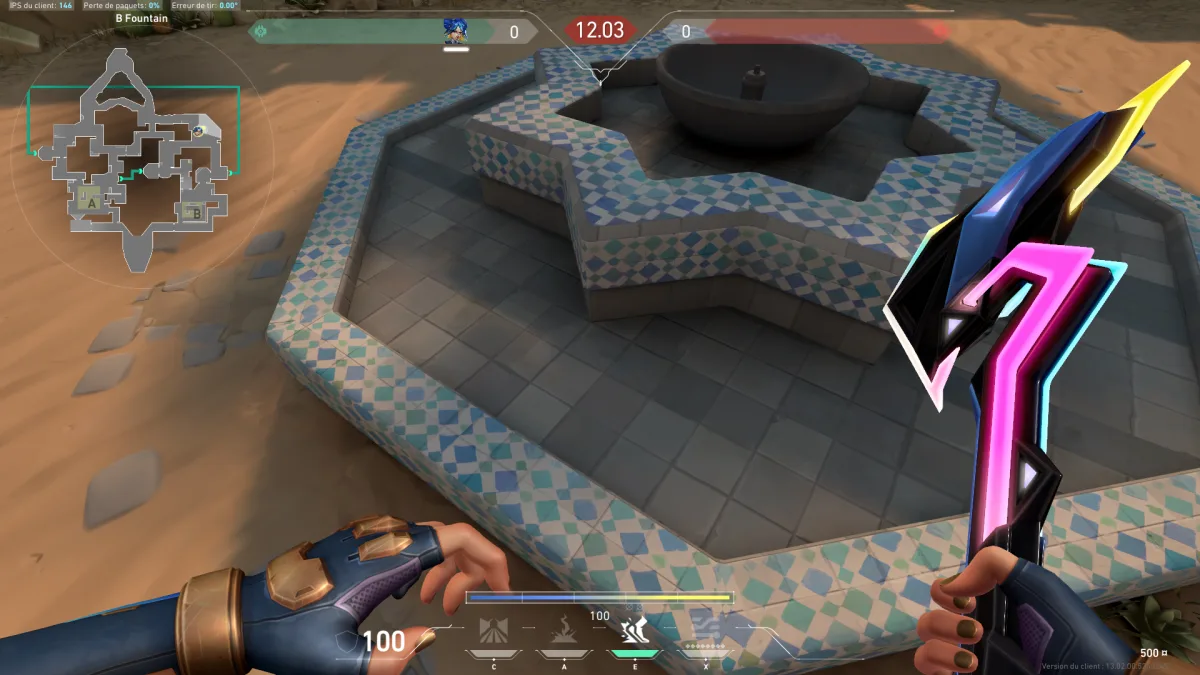
A zellige-decorated fountain in Bind, a detail directly inspired by Moroccan craftsmanship.
Conclusion
Bind is therefore not a faithful recreation of Rabat, but rather a free interpretation of Morocco. Riot Games combines a landscape largely inspired by the country’s arid regions with architectural and decorative elements that are distinctly Moroccan.
The zellige fountain is probably the clearest example. The Bath area can also be noted, as it evokes the atmosphere of a traditional hammam and contributes to the broader Moroccan character of the map.
Behind Bind’s artistic liberties are several details that firmly anchor its visual identity in Moroccan culture.

About the author
Founder and editor of ilovevalorant.com
A casual Valorant player since December 2020, coming from MOBAs (Heroes of the Storm, League of Legends), I share here what actually helps me play and improve, without claiming to be a pro. A geek at heart, with a digital-focused professional background, I put those skills to use mainly for this site: writing it better, building it better, growing it better.