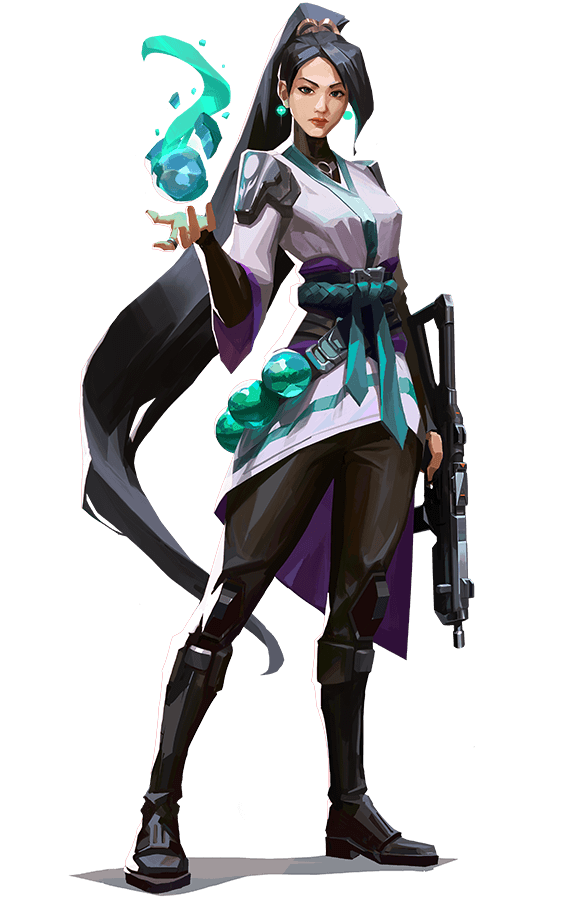
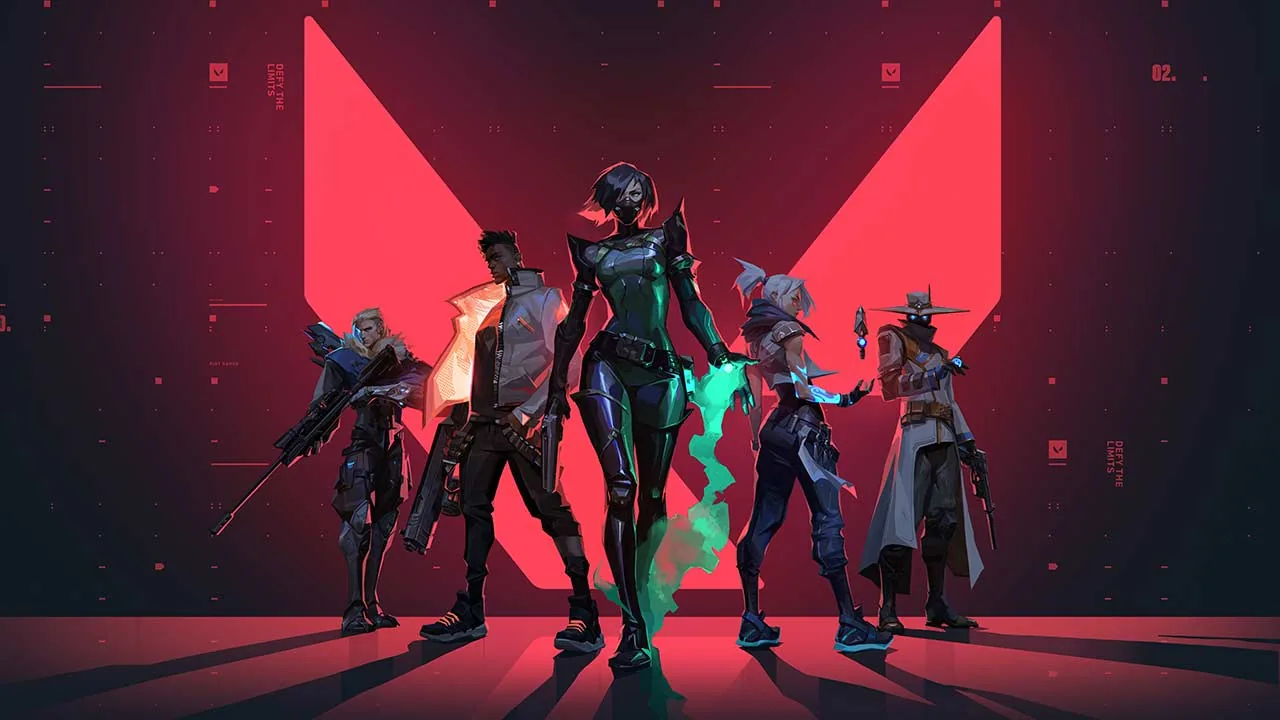
Agent pages are on their way in this language. Meanwhile, the roles column already gives you the breakdown.
Agent figurines, engraved LED crystals, keycaps and apparel. The part of your setup that will never win a duel.
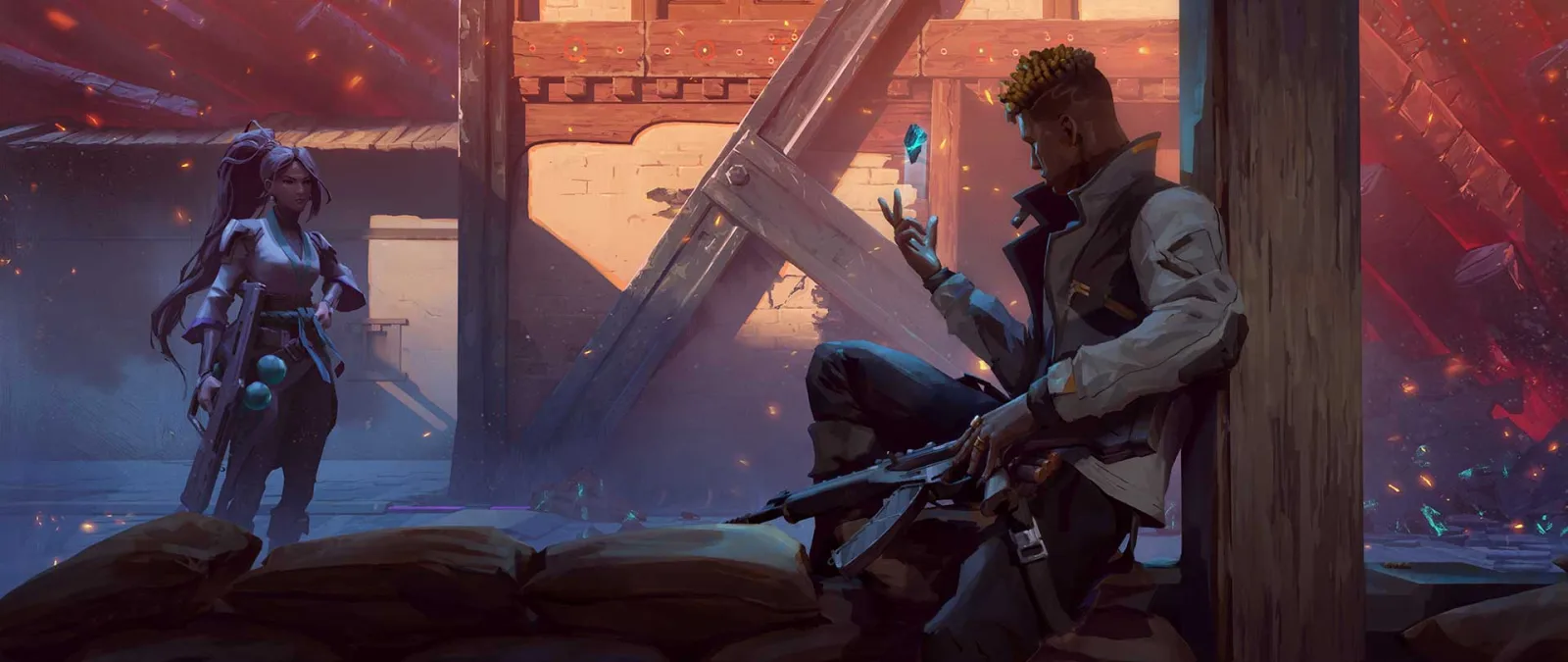
From the discovery of Radianite to the conflict between the two Earths, the complete timeline of the VALORANT Protocol.
Follow the timeline →
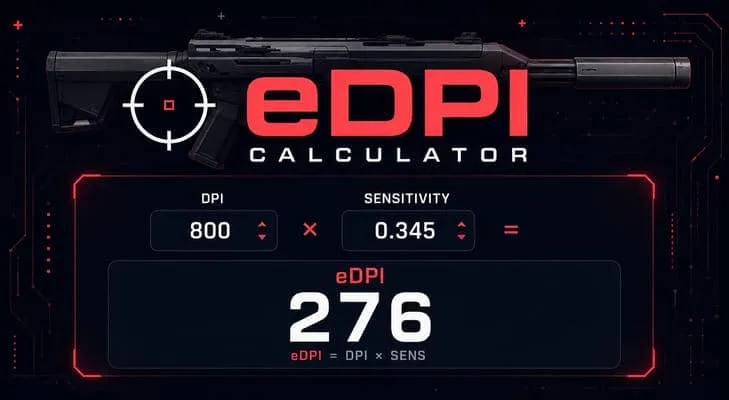
Type your DPI and your in-game sensitivity: your eDPI, the distance for a full 360° and the mousepad width you need show up straight away.
Try the calculator →Riot Games' tactical FPS, released in 2020, free and built for competition. Everything you need to know to get started, improve and understand its universe, gathered in one place.

First steps, shooting basics and settings
Roles, abilities and full agent pages
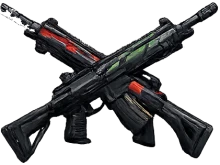
Arsenal, economy and recoil
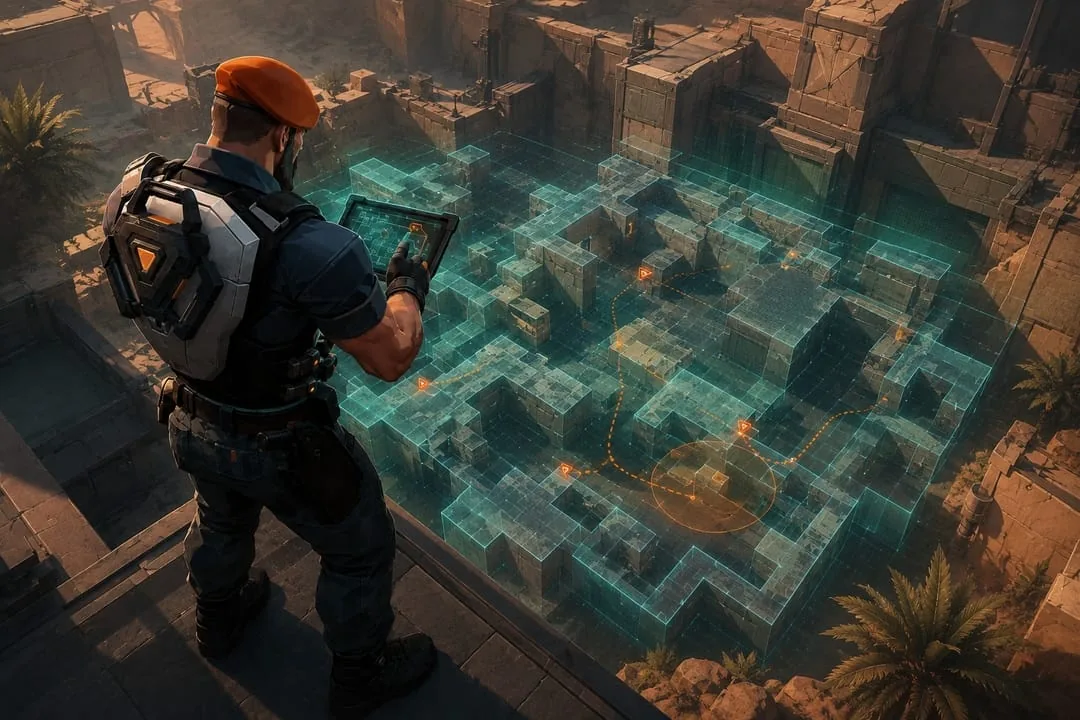
13 maps and the competitive rotation
Mouse, monitor, headset and goodies
Radianite, Kingdom and the mirror Earth
Three paths depending on where you stand. Pick the one that matches your situation, the rest can wait.
You just installed the game, or you have been playing for a few weeks.
You know the basics and you are looking to climb the ranks.
You enjoy the game and you want to know what is going on behind it.
Valorant is a tactical first-person shooter created by Riot Games and launched in 2020 on the free to play model. Its gameplay shows assumed similarities with Counter-Strike, in a futuristic universe that also draws comparisons with Overwatch, all carried by an original story.
Before its release, Riot Games was mainly known for League of Legends. By choosing to explore the tactical FPS genre, the studio blended the classic codes of the genre with innovations of its own, backed by its artistic signature and its expertise in server infrastructure and anti-cheat.
The principle is simple: two teams of five players face off on a map, the attackers must plant a Spike and let it explode, the defenders must stop them or defuse it. The first team to win 13 rounds takes the match, with both sides switching roles at half-time.
The main mode pits two teams of five against each other in a first-to-13 format. Around it, several shorter formats let you warm up or play without setting aside a full hour.
Available formats and average match duration.
| Mode | Players | Format | Duration |
|---|---|---|---|
| Competitive | 5 vs 5 | First to 13 rounds | 30 to 45 min |
| Unrated | 5 vs 5 | First to 13 rounds | 30 to 45 min |
| Swiftplay | 5 vs 5 | Shortened format | About 15 min |
| Spike Rush | 5 vs 5 | 4 rounds, set weapons | About 10 min |
| Deathmatch | 14 players | 40 kills | About 10 min |
| Team Deathmatch | 5 vs 5 | Kill-based objective | About 10 min |
| Premier | 5 vs 5 | Team competition over a season | Varies |
Deathmatch is the most efficient format before a ranked session. Fourteen players, no alliances, free weapon choice on every respawn and a target of 40 kills. It focuses your attention on shooting and active listening, without the strategic load of a full match. Riot also regularly runs temporary modes tied to seasonal events.
Every agent has four abilities of their own: a free signature, two purchasable abilities and an ultimate that charges over the rounds. Shooting remains the essence of the game, but these abilities provide the strategic tools that decide a round.
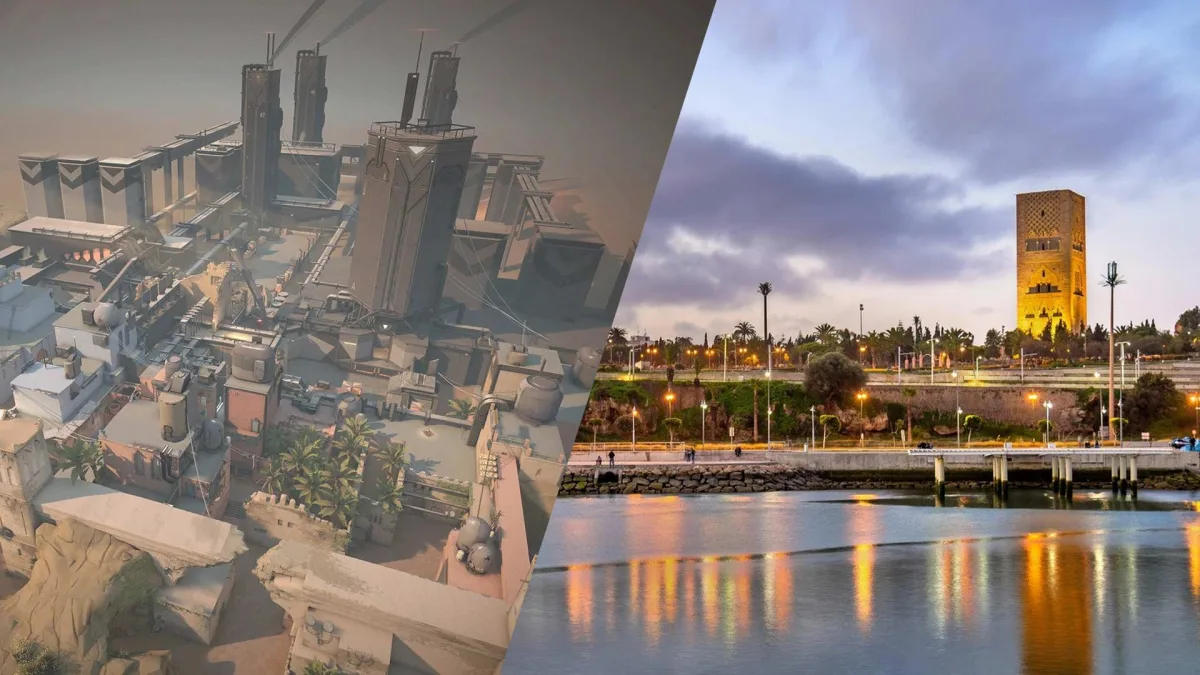
Valorant counts 13 standard maps, but only part of them is available in Competitive at any given time. Riot rotates this pool every act to limit the number of maps to learn and to keep the newer ones from being systematically dodged.
Maps out of rotation do not disappear: they remain playable in Unrated, Swiftplay and custom games, and return to the pool in a later act.
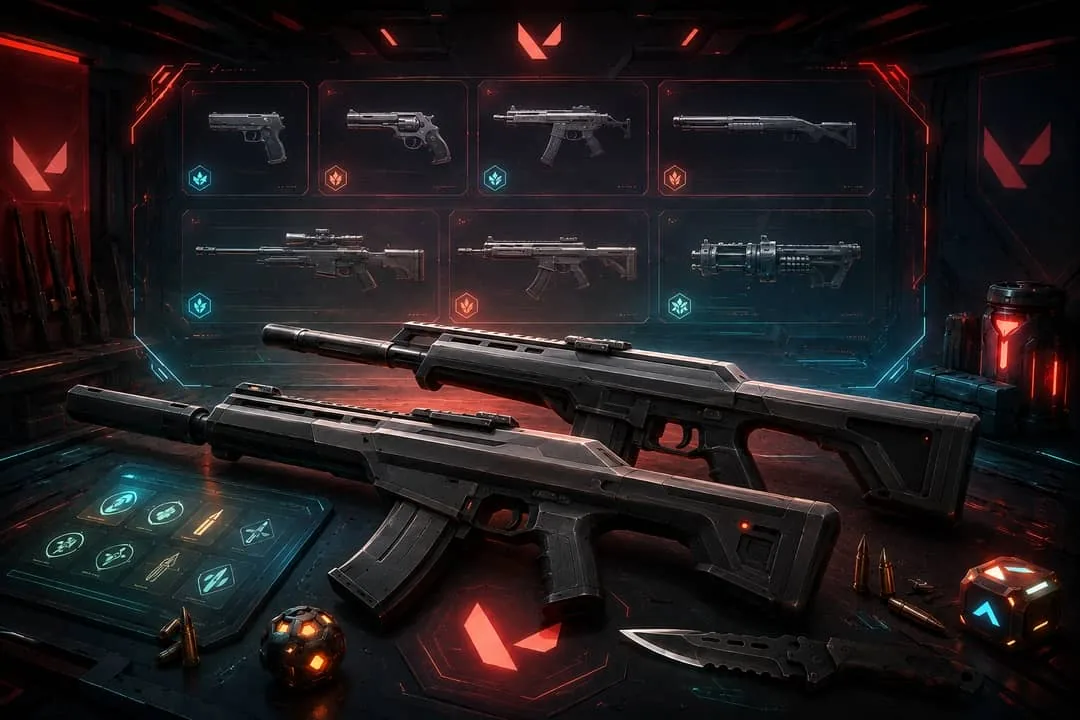
Shooting is the essence of Valorant, and the choice of weapon shapes every round. The arsenal splits into pistols, SMGs, assault rifles, sniper rifles, heavy weapons and shotguns, each with its own recoil pattern, penetration and price.
On top of that comes an economic dimension that beginners almost always underestimate. The credits you earn depend on rounds won, kills and planting the Spike. Knowing when to buy, when to save and when to force-buy as a team is often worth more rounds than an improvement in aim.
Discover the weapons →
Designed as a competitive game accessible to as many players as possible, Valorant does not call for a high-end machine. The optimization work done by the developers makes it run properly on older configurations.
Configurations listed by Riot Games depending on the targeted frame rate.
| Component | Minimum, 30 fps | Recommended, 60 fps | Competitive, 144 fps |
|---|---|---|---|
| Processor | Intel Core 2 Duo E8400 | Intel Core i3-4150 | Intel Core i5-9400F |
| Graphics card | Intel HD 4000 | GeForce GT 730 | GeForce GTX 1050 Ti |
| RAM | 4 GB | 4 GB | 8 GB |
| Operating system | Windows 10 64-bit | Windows 10 64-bit | Windows 10 or 11 64-bit |
The game's anti-cheat system requires TPM 2.0 and Secure Boot to be enabled in the BIOS. It is the most common cause of the game refusing to launch on a machine that is more than powerful enough. Both options live in the BIOS settings and enabling them requires no hardware work.
Although entirely free, Valorant offers an internal economy to acquire skins and cosmetic items to customize weapons and agents. These range from simple designs to elaborate animations, with special editions and seasonal events that regularly refresh the offer. None of these items gives any advantage in a match: competitive balance remains strictly identical for every player.
Mouse, monitor, headset, keyboard and chair: our buying guides explain what really improves your performance, what is about comfort, and what is just for fun.
The questions that come up most often from players discovering the game or still hesitating to install it.
Yes. Valorant is a free to play game: the download, access to every playable agent and all the game modes are free. The business model relies solely on cosmetics, mainly weapon skins, which give no advantage in a match. Some agents do need to be unlocked, either by playing or with the in-game currency, which has no effect on competitive balance since unlocking never requires spending.
The roster currently counts 0 agents. Riot Games adds a new agent roughly every two months, one per act. Every agent has four abilities, including a free signature and an ultimate that charges by earning points over the rounds.
Valorant is deliberately undemanding. An Intel Core i3-4150 processor and an entry-level graphics card are enough to reach 60 frames per second. To aim for 144 frames per second and more in competitive, count on a Core i5-9400F and a GTX 1050 Ti with 8 GB of RAM. On Windows 11, however, the game requires TPM 2.0 and Secure Boot to be enabled, which still blocks some players on machines that are more than powerful enough.
The structure is similar: two teams of five, a buy phase, a plant and defuse objective, and victory at 13 rounds. The difference lies in the abilities. In Valorant, every agent brings tactical tools that reshape the geometry of the map, block a line of sight or reveal a position. Shooting remains the heart of the game, but preparing a site take counts as much as accuracy, which makes the team aspect more decisive.