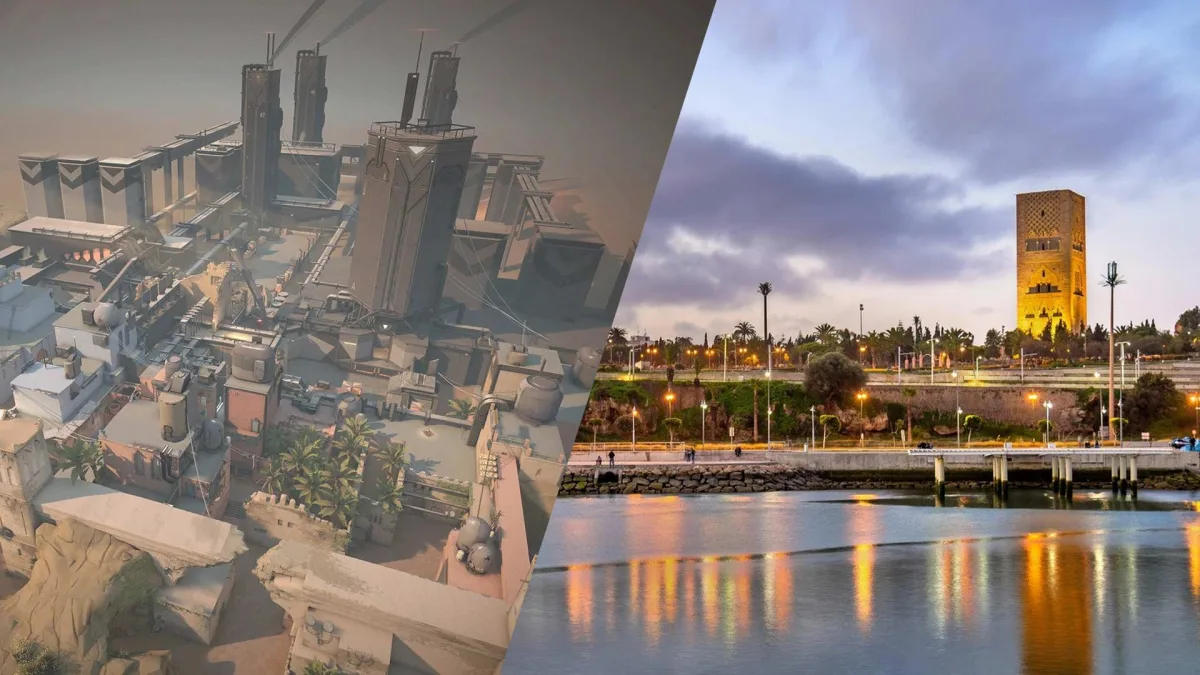
The fortress out of China
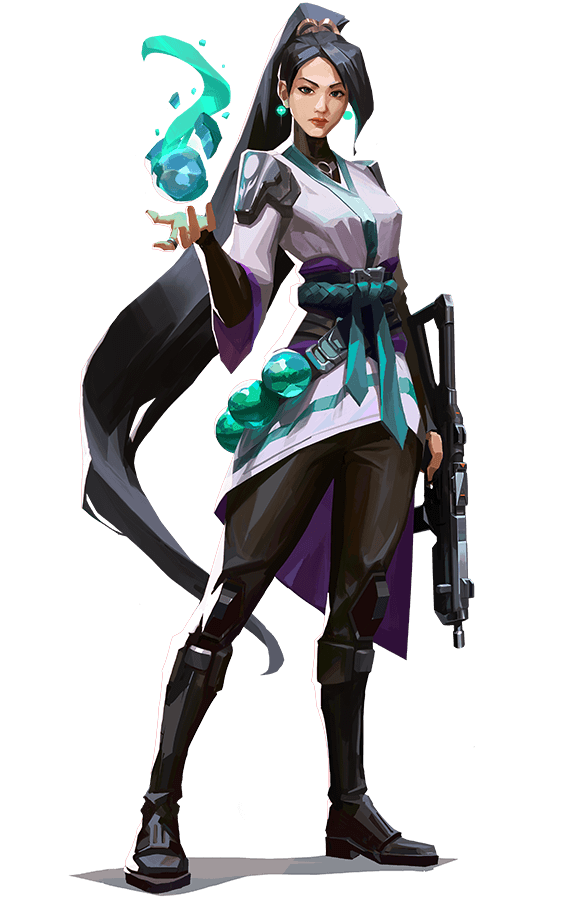
See the agent page →Agent figurines, engraved LED crystals, keycaps and apparel. The part of your setup that will never win a duel.
Browse the shop →
From the discovery of Radianite to the conflict between the two Earths, the complete timeline of the VALORANT Protocol.
Follow the timeline →
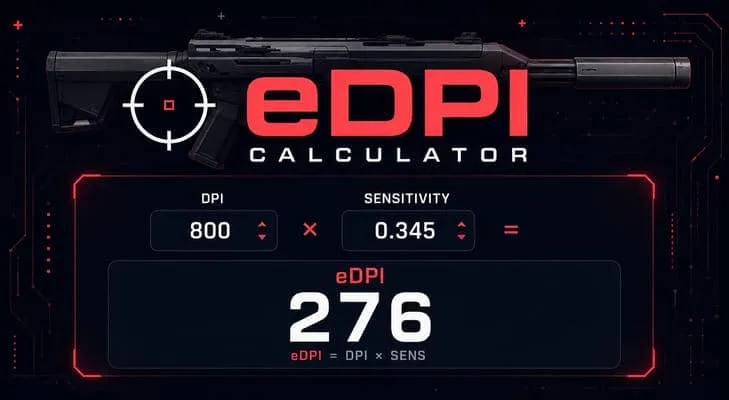
Type your DPI and your in-game sensitivity: your eDPI, the distance for a full 360° and the mousepad width you need show up straight away.
Try the calculator →The architects of the battlefield. Seven agents who cut sightlines, slow the enemy push and set the pace of every round.
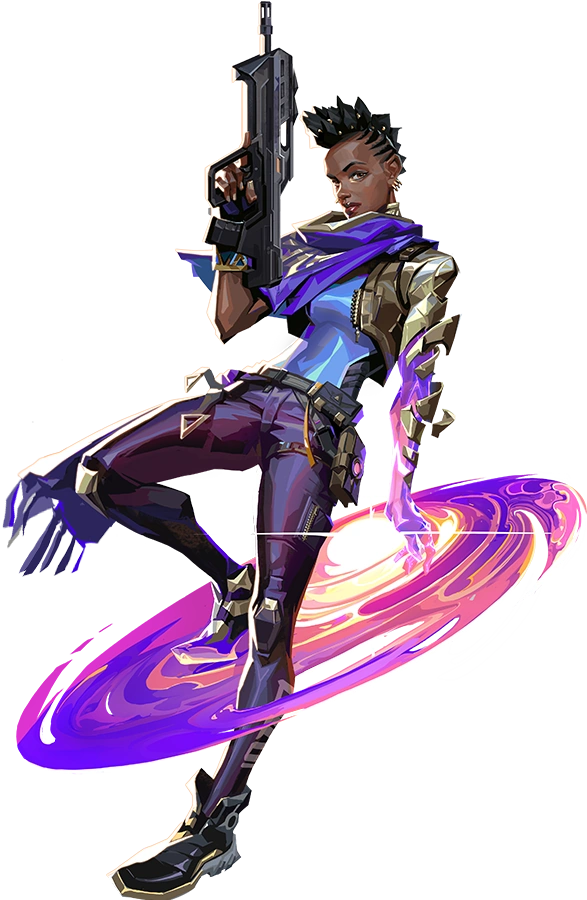
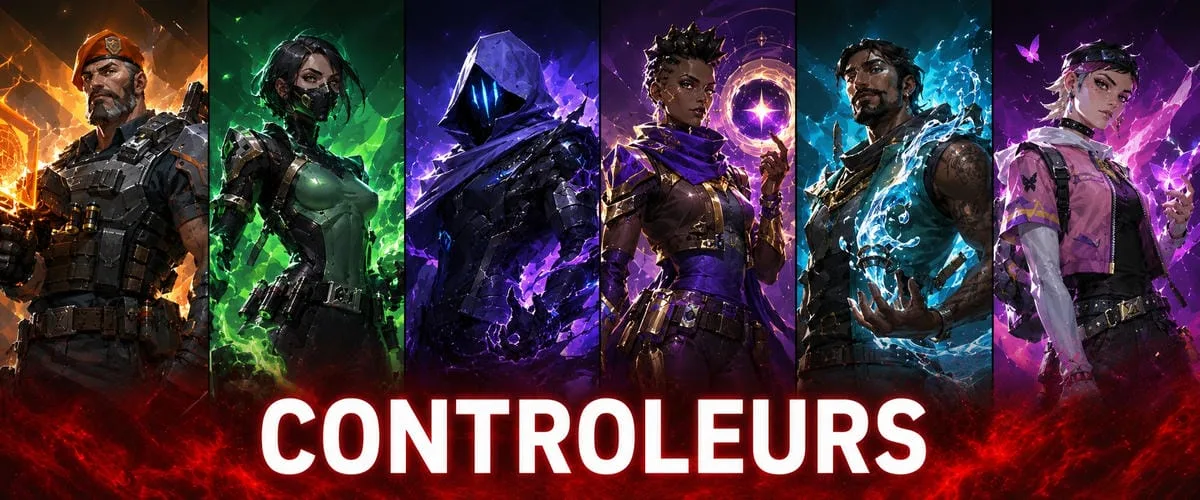
In Valorant, controllers are the class of agents built around space management and strategic map control. Their main job is to shape the environment, cut sightlines and slow the enemy push with precise, deliberate utility. They are the architects of the battlefield, and they set the pace of a round directly, on attack as much as on defense.
These agents are best known for putting down the vision blockers everyone calls smokes, which cut enemy sight and break up their positions. By hiding key areas, site entrances, corridors and long lines, they let their team take a site, reposition a teammate or slow an aggressive push. Their gameplay comes down to vision control, delay and command of the tempo.
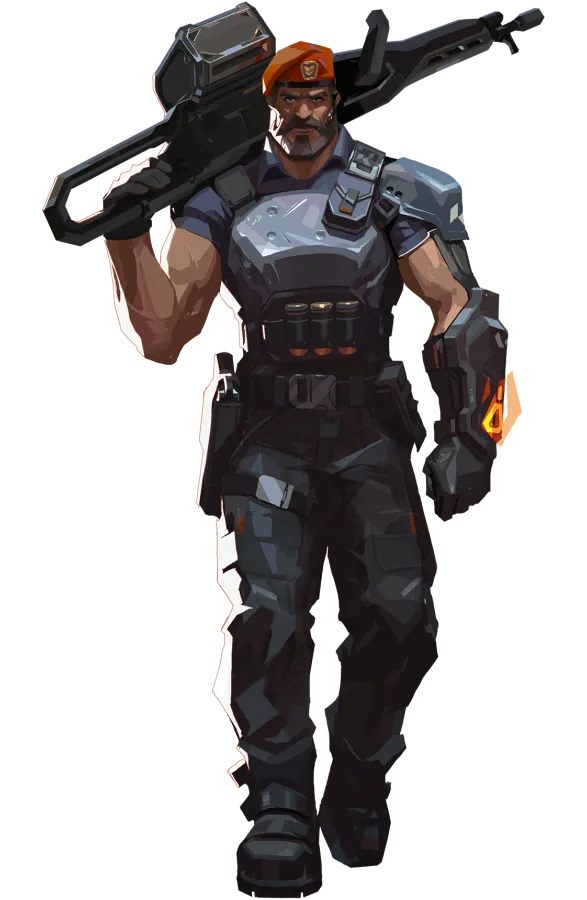
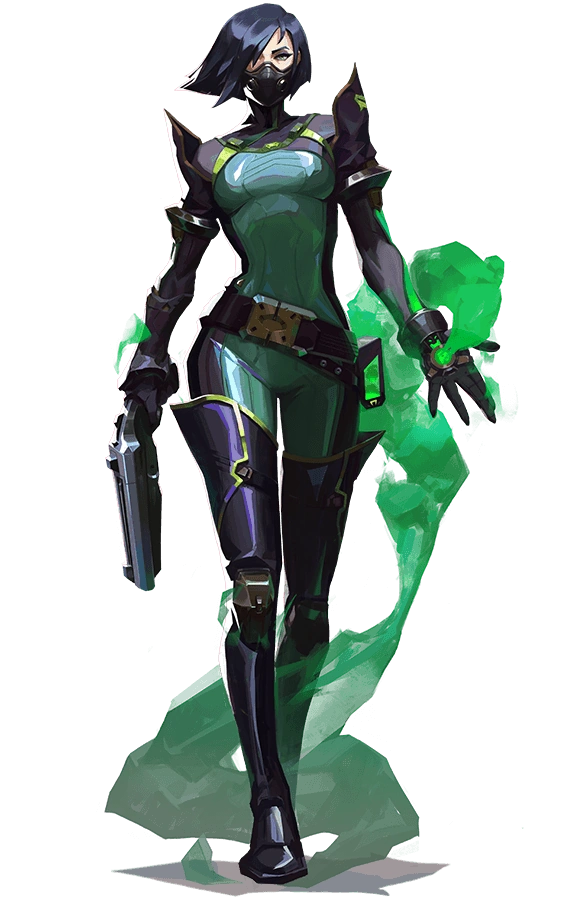
Often nicknamed the smokers, Controllers are masters at blurring firing lines and covering allied movement. Agents like Brimstone and Viper use their kit ahead of time, as prevention: dropping a toxic wall to lock a key access, placing a smoke to isolate a duel, or throwing a molly to delay a defuse. That kind of defensive utility is what buys time, controls rotations and secures a favorable position.
A toxic wall in the right spot can lock an access for a whole round.
Among the most iconic agents of the category you will find Omen, Astra and Brimstone, known for how precise and flexible their smokes are. Each one plays differently, though.
Controllers are essential to putting a coordinated attack together. By hiding the angles the defense uses to cover the entrance, they turn an impassable chokepoint into a corridor you can actually cross.
Once the site is taken, their work continues: a molly or a well placed smoke is often enough to protect a planted Spike and make a retake far more expensive.
On defense the same logic flips: you lock a site by cutting the sightlines the attack needs to move forward, and you buy enough time for the rotations to land.
A toxic wall on a key access or a smoke on a forced path makes the enemy choose between crossing blind and losing precious seconds.
Smoke for your team, never for yourself. The most common beginner mistake is dropping smokes in front of you for cover. That is not the role. Your smokes exist to cover the angles your teammates are going to get shot from on the way in. Ask where the team is attacking, smoke the enemy sightlines, then move in with them.
Learn two placements per map. There is no need to memorize twenty positions before you play. Keep two per map, one per site, matching the angles that kill on entry every single time. Those two will cover most of your rounds and give you an impact right away.
Do not spend everything at the start of the round. Several controllers run a limited resource: fuel for Viper, stars for Astra, charges for Brimstone. Dropping all your utility in the first few seconds means having nothing left when it counts. Always keep enough for the plant or the retake.
Call your smokes before you place them. A smoke nobody expects breaks up your own team as much as the enemy. Say it before you cover an angle, especially with the walls that cross the map: pointed the wrong way, they cut your teammates off from the objective just as well as the enemy.
It mostly comes down to how you like to support your team. Here are a few pointers to get you started.
| Your playstyle | Recommended agents |
|---|---|
| 🧭 You are starting out and want smokes that are simple to place | Brimstone |
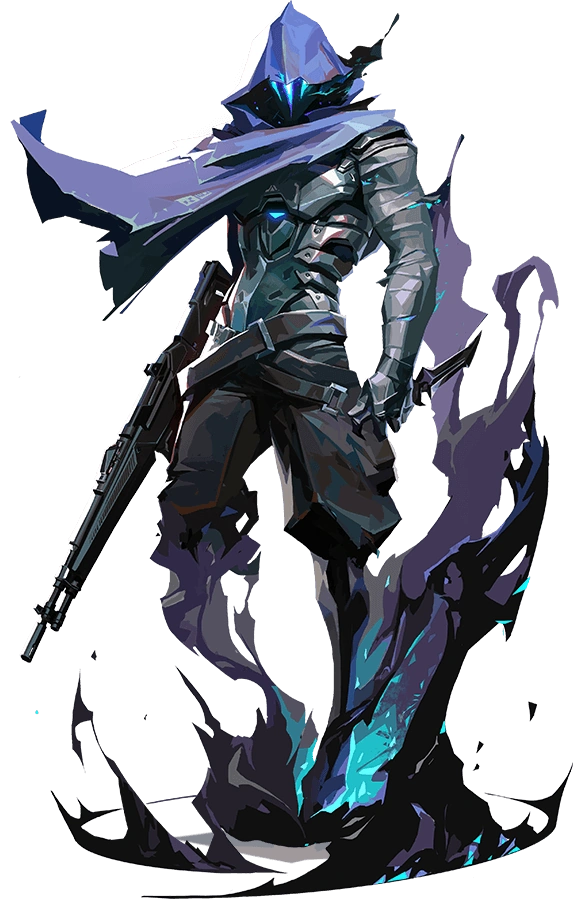
| 👻 You want mobility and pressure | Omen |
| 🌌 You want to steer the whole map | Astra |
| ☠️ You like locking an area down for a long time | Viper |
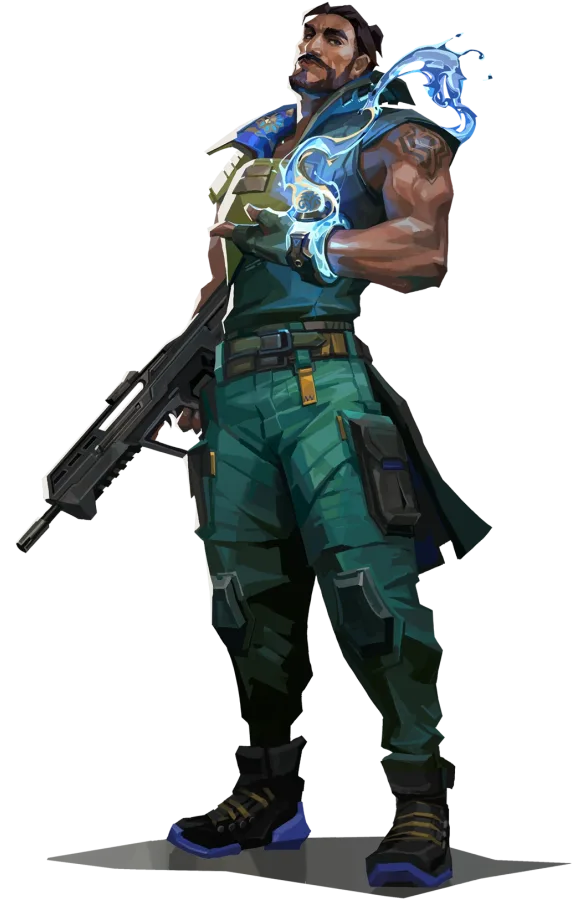
| 🌊 You want to move up with your team | Harbor |
| ♻️ You play solo and want to be self-sufficient | Clove |
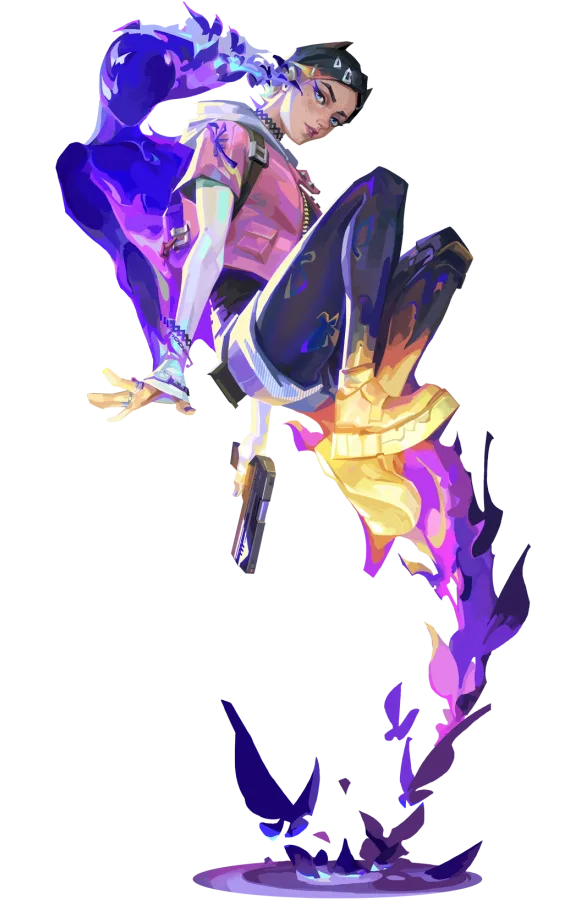
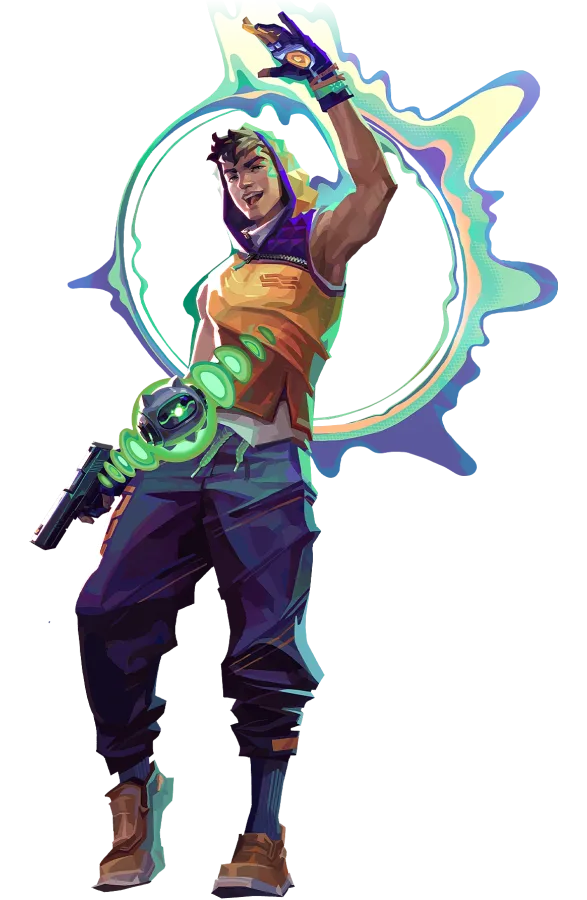
| ❤️ You want to support and heal your team | Miks |
Just starting out? For new Valorant players, learning to play a Controller is a great way to understand the fundamentals of the game: map control, timing, communication and team strategy. Start with Brimstone, whose smokes go down from a map, then move on to Omen before taking on Viper or Astra.
For all their mechanical and stylistic differences, every Controller shares one goal: giving their team constant tactical support. They are essential to putting a coordinated attack together, protecting a planted Spike or locking a site down on defense. Their impact is not measured in kills alone, but above all in their ability to shape the battlefield.
Played well, a Controller can turn an even round into a controlled win. It is the least spectacular role in the game, and probably the one whose absence gets noticed the fastest.
The Controller role is the one most often left unpicked in solo queue, even though it decides whether a site take works at all. Here are the questions that come up most from players discovering the role, or hesitating between several agents.
The role now counts seven agents: Brimstone, Omen, Viper, Astra, Harbor, Clove and Miks, the most recent addition to the category. It is the most varied role in terms of mechanics, since it covers smokes placed from a tactical map, gas walls run on fuel, stars to convert and even a controller who can heal.
Brimstone, no question. His smokes go down from a tactical map by clicking where you want them, which removes the main difficulty of the role entirely, namely aiming and working out a trajectory. That leaves you free to focus on the only question that really matters: where to smoke and when. The recommended path from there is Omen, whose free smokes forgive mistakes, then Viper or Astra once you know the maps well.
It is very hard. Without smokes, a team has no way to hide the sightlines protecting a site, which means winning every entry in a straight duel. A few pro compositions do without one on very specific maps, but those are heavily prepared exceptions. In solo queue, playing without a Controller almost always makes site takes impossible.
Brimstone places up to three smokes from a tactical map, but he has to be relatively close to the area he covers, which forces him to move up with his team. Omen can smoke anywhere on the map from where he stands, and his charges recharge on their own without costing credits, which allows for mistakes and corrections. Brimstone is simpler and more immediate, Omen more flexible and more self-sufficient.
Author: Yassine