The maps

THE MAPS OF VALORANT

11 battlegrounds, 11 identities. Every map imposes its own layout, its own angles and its own mechanics. Find yours, then learn it by heart.

Maps11 Three sites2 With a mechanic8 Since2020
11 / 11 maps
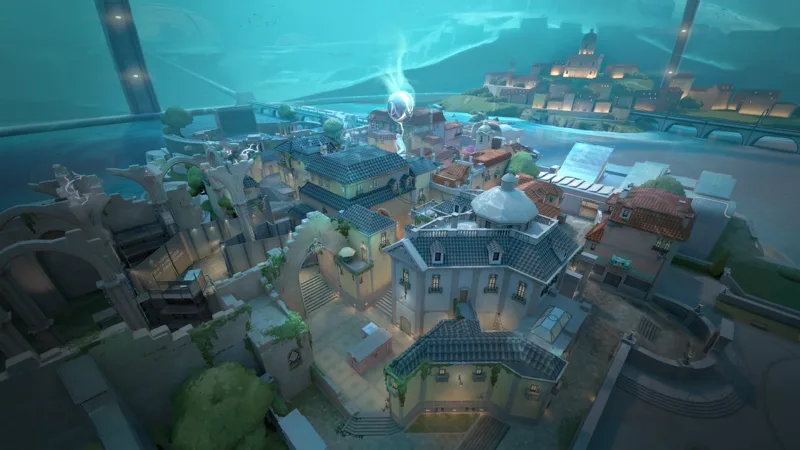
The Ascent map
2 sites

Ascent

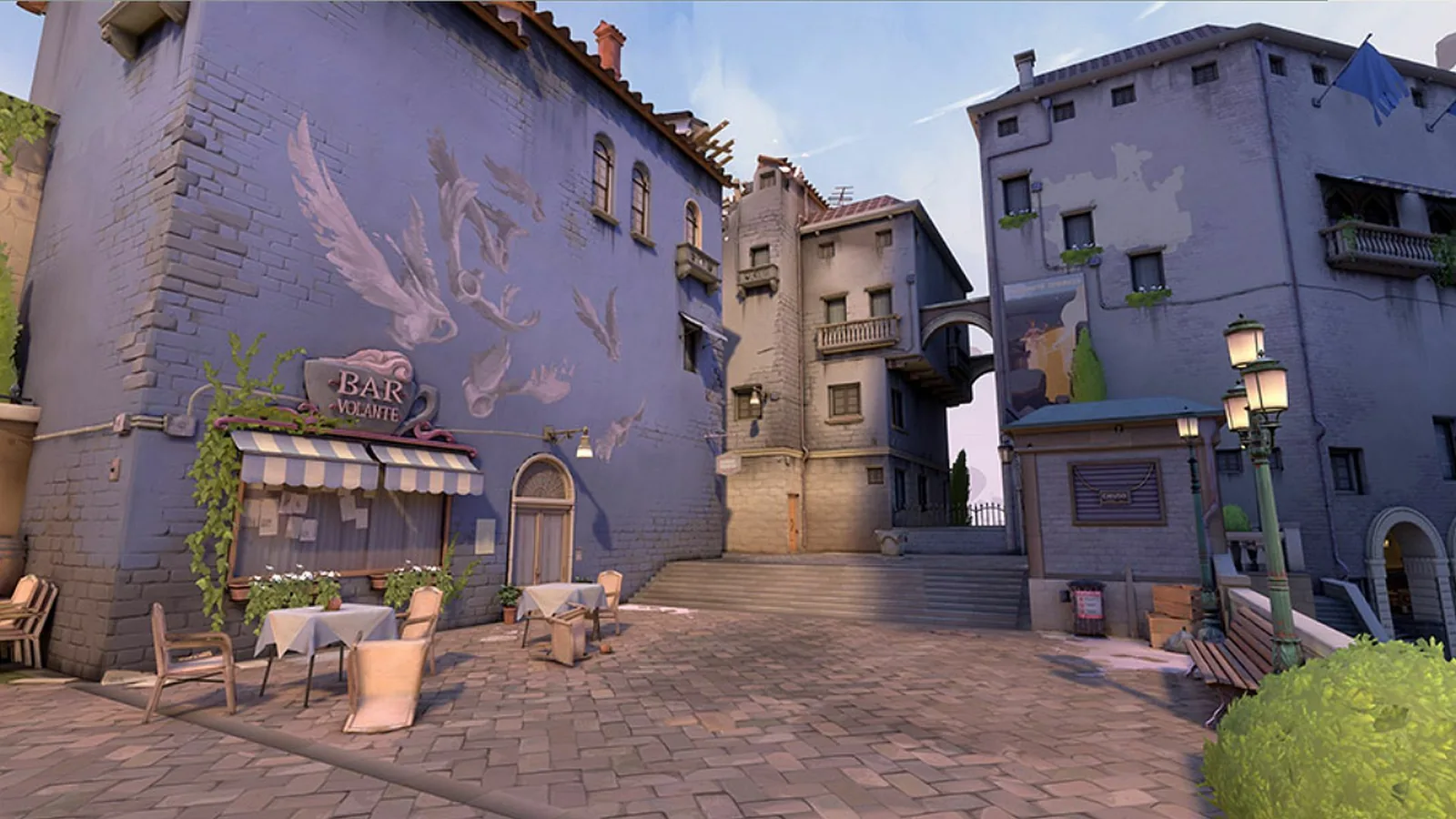
Venice, Italy

An open middle that both teams fight to control, because it is what keeps rotations between the sites quick and safe.

Doors
Added in 2020 See the page →
The Bind map
2 sites

Bind

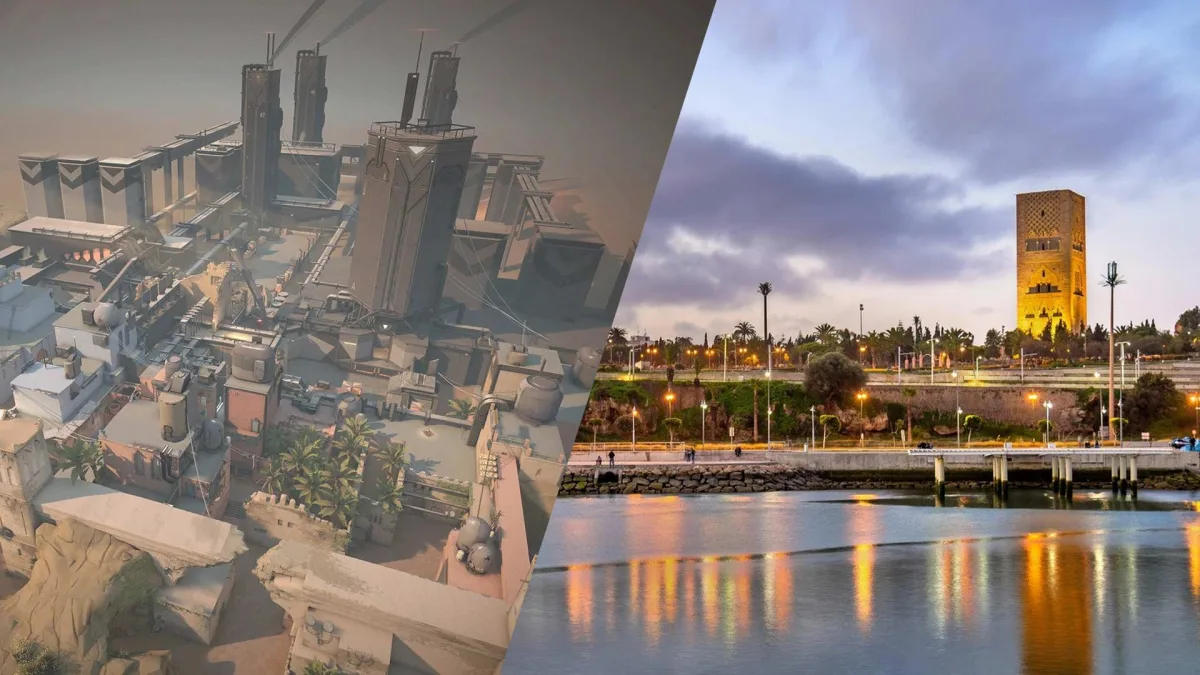
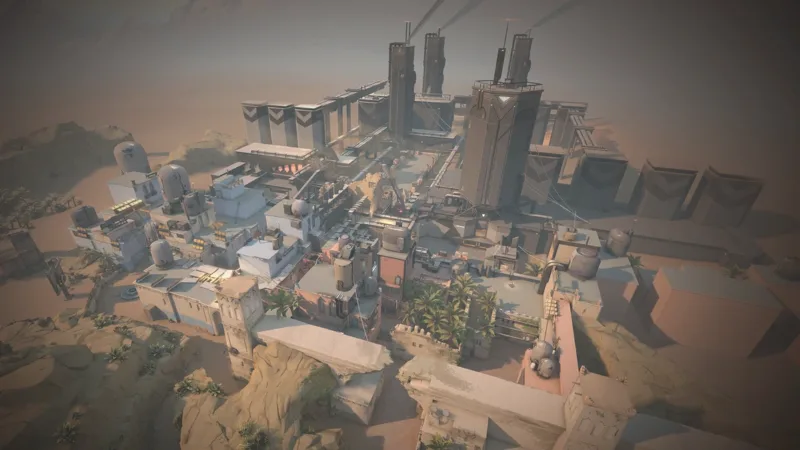
Rabat, Morocco

No middle line and two teleporters that offer unique and fast rotations. The most unpredictable map in the roster.

Teleporters
Added in 2020 See the page →
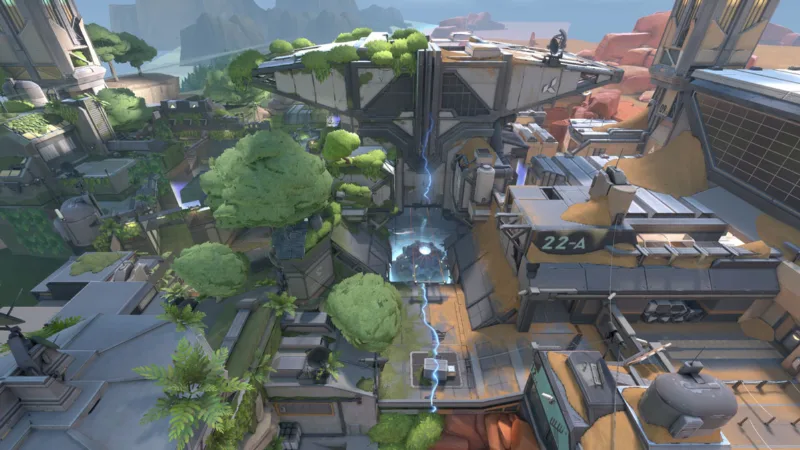
The Haven map
3 sites

Haven

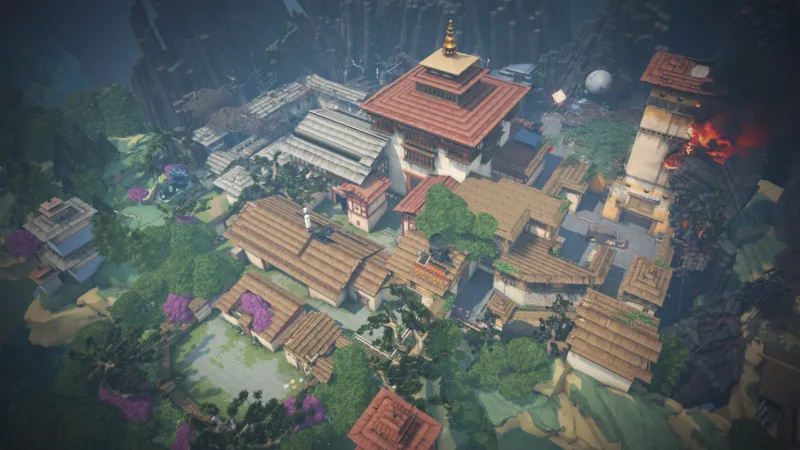
Bhutan

The only map with three spike sites. A feature that multiplies the strategies and scatters the defenders.

No mechanic
Added in 2020 See the page →
The Split map
2 sites

Split

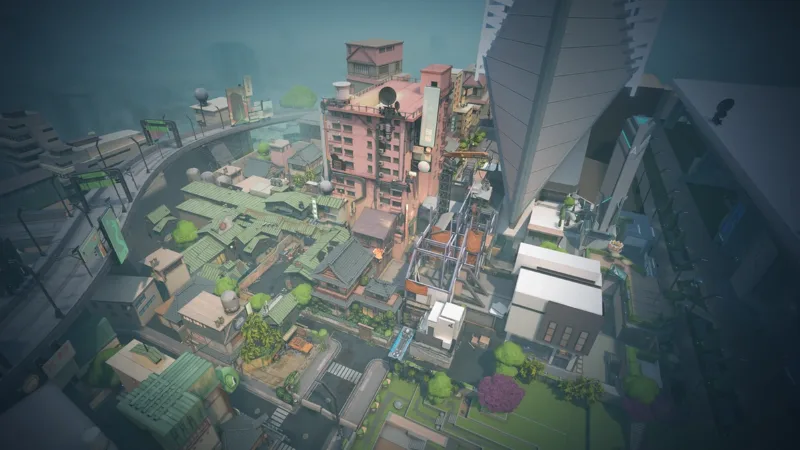
Tokyo, Japan

Raised routes and a middle that is hard to control. The vertical separation of the sites calls for genuine team coordination.

Verticality
Added in 2020 See the page →
The Icebox map
2 sites

Icebox

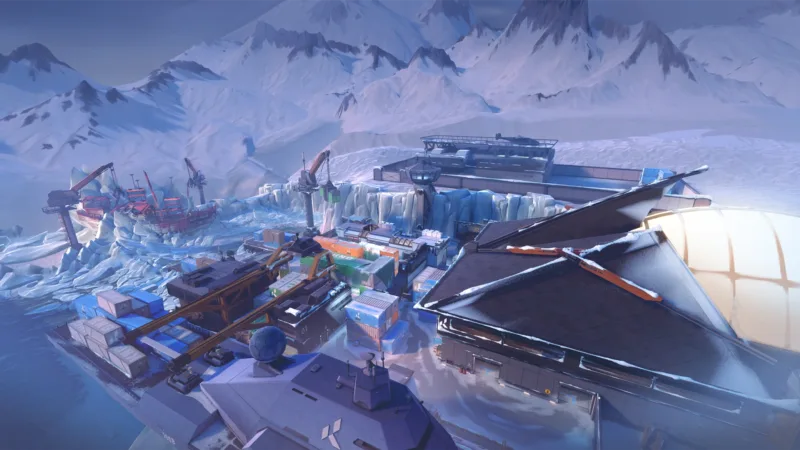
Arctic, Russia

Plenty of vertical spots and tight angles. The complexity of the ground makes direct engagements particularly risky.

Verticality
Added in 2020 See the page →
The Breeze map
2 sites

Breeze

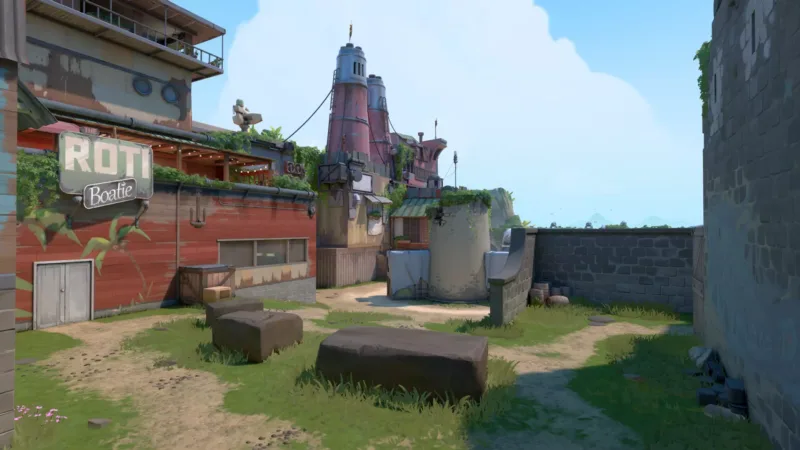
Caribbean islands

Wide open spaces and very long sightlines. The favorite playground of Operator players.

Verticality Doors
Added in 2021 See the page →
The Fracture map
2 sites

Fracture

New Mexico, USA

The most unusual map in the game: the attackers come from both sides and the defenders spawn in the center.

Verticality
Added in 2021 See the page →
The Pearl map
2 sites

Pearl

Lisbon, Portugal

An underwater city with no special mechanic at all. Three lanes, mid control and nothing to make up for a mistake.

No mechanic
Added in 2022 See the page →
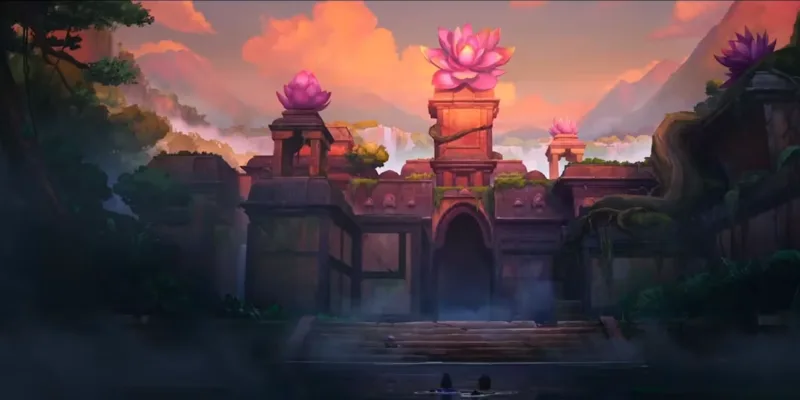
The Lotus map
3 sites

Lotus

Western Ghats, India

The second map with three sites, with rotating doors, a destructible wall and a silent descent.

Doors Verticality
Added in 2023 See the page →
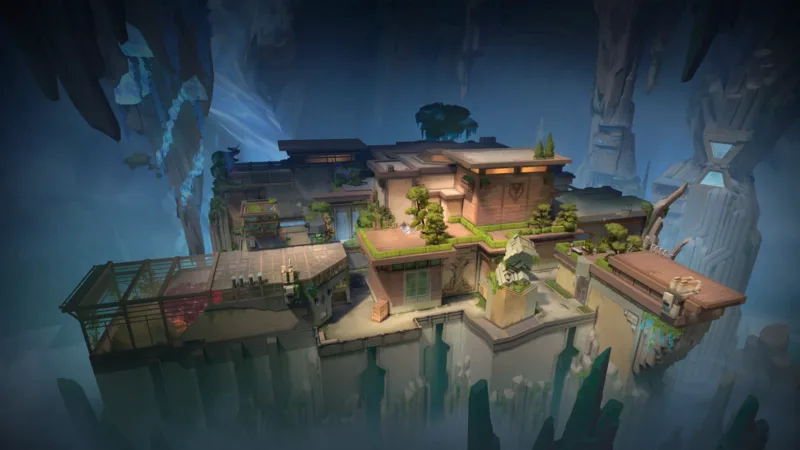
The Abyss map
2 sites

Abyss

Secret base, chasm

A base built at the bottom of a bottomless chasm. No boundary walls: one bad shove and you fall into the void.

Verticality
Added in 2024 See the page →
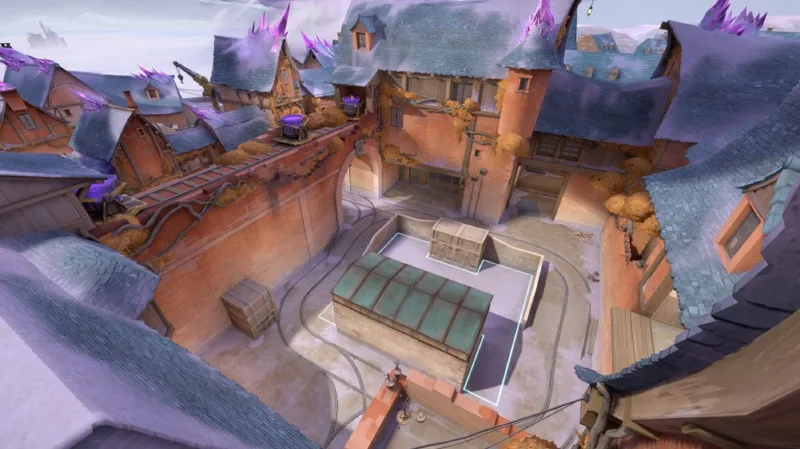
The Corrode map
2 sites

Corrode

Mont-Saint-Michel, Omega Earth

A French castle turned into a radianite salt operation. Three lanes, medieval streets and a lot of tight angles.

No mechanic
Added in 2025 See the page →
No map matches these filters.
Overview

EVERY MAP IS A STRATEGIC MASTERPIECE

In the competitive world of tactical FPS games, Valorant stands out not only for its unique gameplay but also for the craft of its maps. Every map is a strategic masterpiece, built to offer a balanced game while pushing players to think tactically.

In Valorant a map is not merely a battlefield: it is the stage of a contest of minds, where every decision can be the difference between winning and losing. From old city ground to hidden sites, every map has its own identity and its own challenges. Here is what makes each of them singular.

Improve

HOW TO MASTER THE MAPS

Map knowledge is essential, but the key to winning also lies in adapting your plan to what the other team does. Here are a few general tips to sharpen your play across the Valorant maps.

01

Learn the callouts

Every area of a map has a specific name the community uses to communicate quickly. Knowing those callouts makes coordinating with your team far more effective.

02

Practice in range mode

Valorant has a practice mode that lets you walk a map with no opponent. Use it to memorize the corners, the control points and the strong positions.

03

Review your losses

If you keep dying in one specific spot, or if an enemy strategy keeps working on you, take the time after the game to work out what happened. It will help you anticipate and react better next time.


WHICH AGENT ON WHICH MAP?

A map is played with the right tools. Verticality, long sightlines or tight corridors, every layout favors certain roles. Browse the agents and their specialties to build the right composition.

See every agent →

FREQUENTLY ASKED QUESTIONS ABOUT THE MAPS

How many maps there are, how they are laid out and how hard they are to learn are the questions that come up the most from players discovering Valorant.

The game has 11 standard maps playable in 5 versus 5: Ascent, Bind, Haven, Split, Icebox, Breeze, Fracture, Pearl, Lotus, Abyss and Corrode. On top of those come the arenas dedicated to Team Deathmatch and the practice range, which do not count as standard match maps.

Only two maps: Haven and Lotus. That layout changes defending completely, since covering all three areas properly with five players becomes impossible. In exchange it rewards compositions able to put pressure on several points at once.

Ascent and Sunset are the two best suited. They run on a classic three-lane layout with no special mechanic to absorb on top of the fundamentals, which lets you concentrate on the callouts and on controlling mid. Fracture with its attackers on both sides, Bind with its teleporters and Abyss with its deadly falls, on the other hand, ask for reflexes you do not pick up in a handful of games.

A callout is the name the community gives to a precise area of a map, like A Short on Bind or B Heaven on Split. Those names let you report a position in one word rather than in a vague sentence, which buys precious seconds. Learning them is probably the best return on investment for a player who wants to improve at communication, even before working on their aim.

Author: Yassine