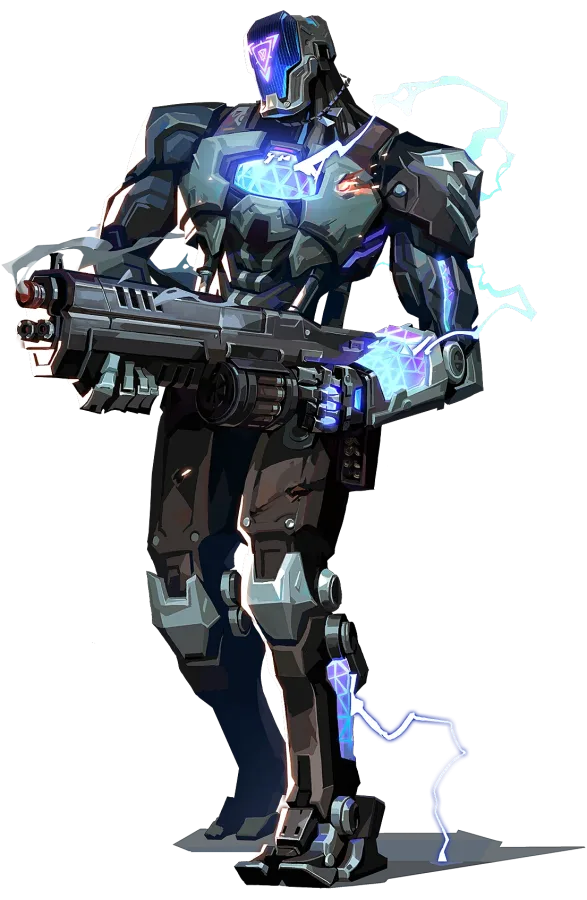
The fortress out of China
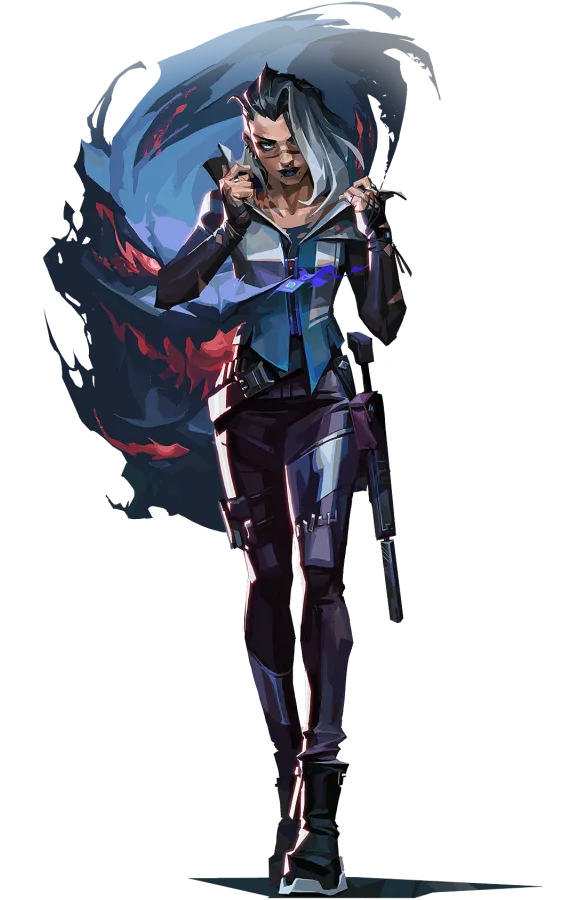
See the agent page →Agent figurines, engraved LED crystals, keycaps and apparel. The part of your setup that will never win a duel.
Browse the shop →
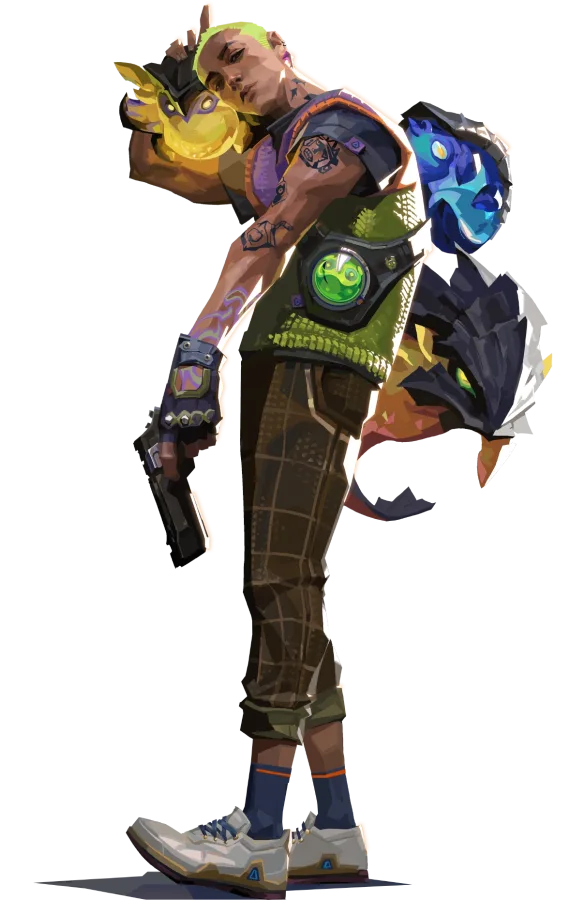
From the discovery of Radianite to the conflict between the two Earths, the complete timeline of the VALORANT Protocol.
Follow the timeline →

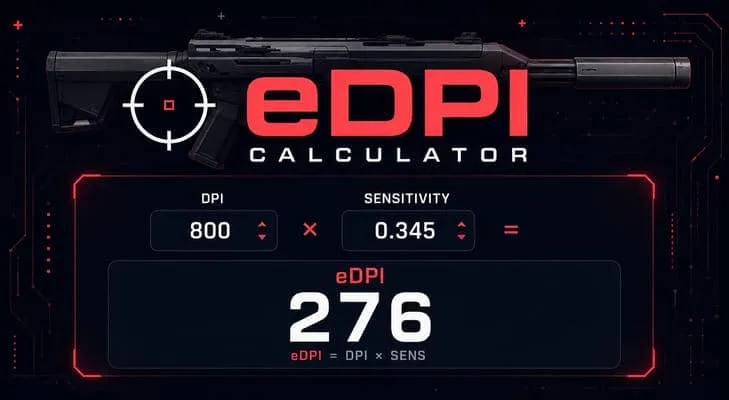
Type your DPI and your in-game sensitivity: your eDPI, the distance for a full 360° and the mousepad width you need show up straight away.
Try the calculator →Masters of information and site entry. Seven agents who reveal, blind and dislodge the enemy so their team can go in without flipping a coin.
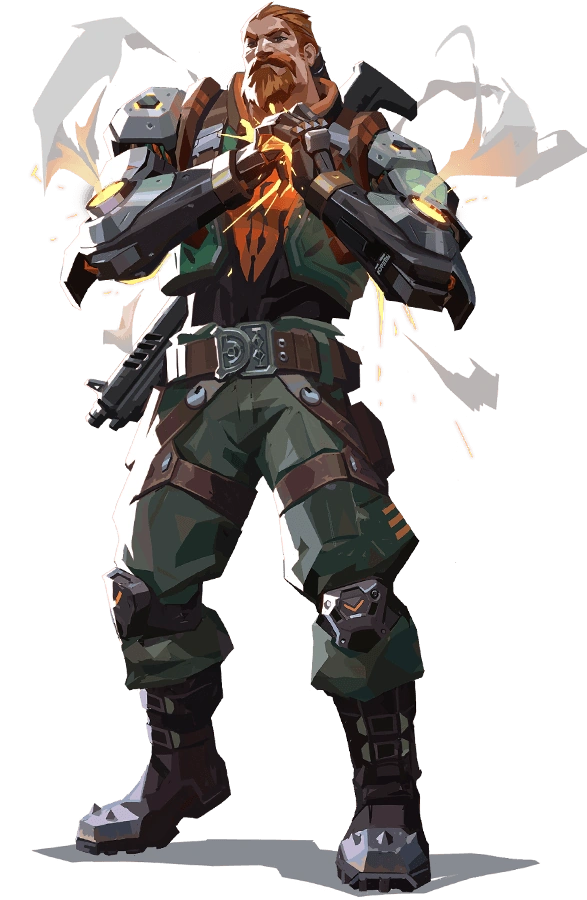
In Valorant, Initiators are the class of agents in charge of setting up site takes. Their job is not to hold a position like Sentinels, not to hide the ground like Controllers, and not to look for the duel like Duelists. It is to answer the question every team asks before moving up: who is over there, and where exactly.
For that they have two families of tools. On one side info gathering, with scans, drones and creatures that reveal enemy positions before contact. On the other side unblocking, with flashes, concussions and projectiles that dislodge an entrenched defender or take away his ability to shoot back. That combination is what turns a coin-flip entry into a prepared execute, and what makes the Initiator the indispensable partner of the Duelist.
The difficulty of the role is not mechanical, it is timing. A Recon Bolt fired too early reveals positions the enemy will have left by the time you go in. A flash thrown too late blinds a defender who has already won his duel. The Initiator does not play for himself: he plays around the moment his teammates commit, which means knowing what your own team is doing before knowing what the enemy is doing.
What sets the role apart. An Initiator produces more information than any other agent, but that information only exists for the team if it gets called. It is the only role in the game whose impact depends directly on what the player says out loud.
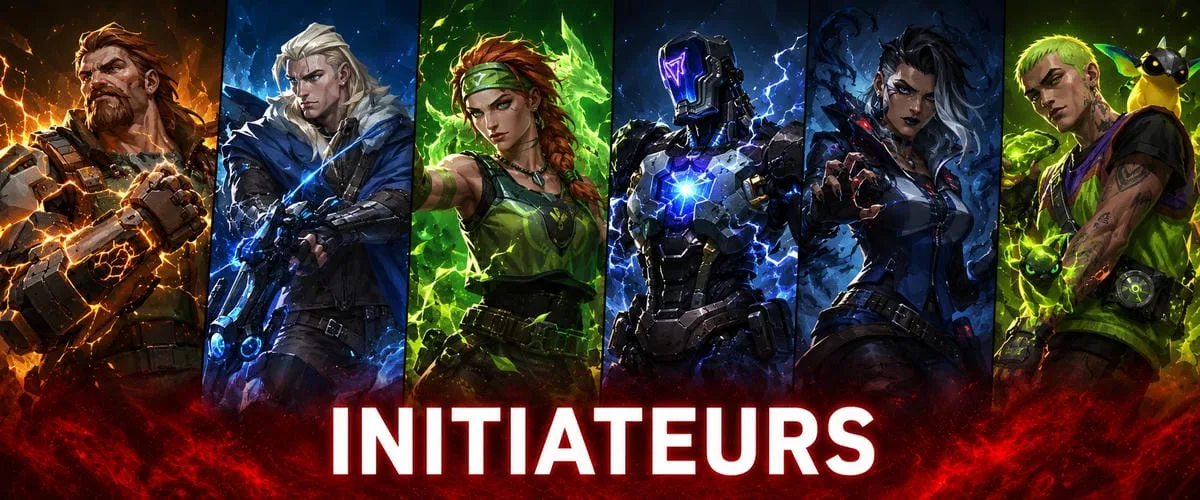
The role counts seven agents, from the most accessible to the most demanding in preparation. Each one solves the same problem a different way.
This is the phase where the Initiator gives the most. A few seconds before the execute, he scans the site to confirm how many defenders are holding it, then throws his flash or his concussion at the exact moment the Duelist commits.
Chained properly, that work turns a fifty-fifty duel into an entry won before it starts. Out of sync, it brings nothing: the info is stale and the flash lands on empty space.
On defense, the Initiator is there first to spot a push before it arrives, which lets the rotations leave in time. A scan down a corridor is often enough to make an attacking team back off.
After a plant he becomes central again: he is the one who sets up the retake by revealing the positions around the Spike and blinding the players covering it.
Call everything, even when you are not sure. A scan that reveals two enemies is useless if nobody else knows. Get in the habit of saying what you see out loud, immediately and even roughly. That is what separates a decent Initiator from a decisive one, far more than the quality of his placements.
Your flash is for the entry of your Duelist. A flash thrown to protect yourself is a wasted flash. It has to land at the exact moment your Duelist crosses the angle, not before, not after. Ask who goes in first, then work to his rhythm instead of your own.
Do not scan too early. Information has a very short shelf life. A scan thrown fifteen seconds before the execute points at positions the enemy will have left. Wait until the team is ready to commit, then gather the info and go straight in.
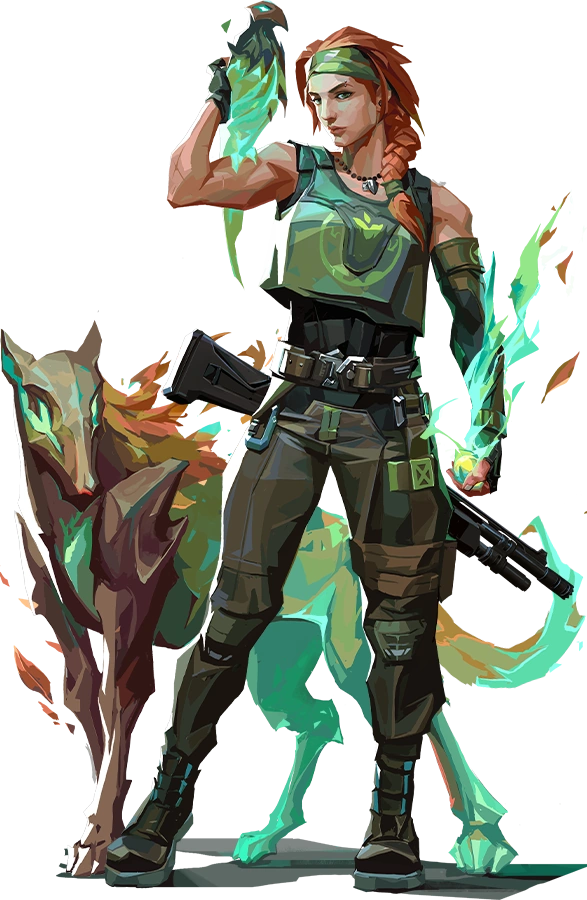
Flying something means exposing yourself. The drone of Sova, the creatures of Skye and the drone of Tejo leave your character completely still while you use them. Get behind cover before you launch, never in an open sightline. It is the cause of most of the avoidable deaths in the role.
Since this is the most accessible role in the game, the choice depends less on your level than on what your team needs from you and how much time you are willing to put in outside the match.
| Your playstyle | Recommended agents |
|---|---|
| 🚀 You are starting out and want an immediate impact | Gekko KAY/O |
| 🧱 You want to act without ever exposing yourself | Breach |
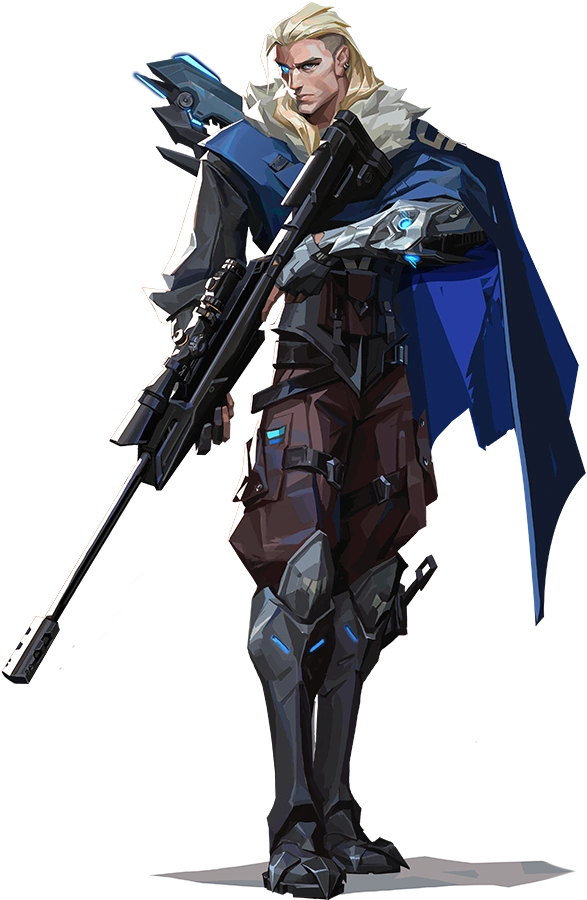
| 🎯 You are happy to work on your lineups | Sova |
| 👁️ You would rather hunt players than areas | Fade |
| ❤️ You want to open the site and heal the team | Skye |
| 🚫 You want to break enemy setups | Tejo KAY/O |
Just starting out? Start with Gekko or KAY/O, whose flashes need no prior learning at all. Then move on to Breach to understand how to act without exposing yourself, and to Fade to learn how to use information. Save Sova for last: his ceiling is the highest in the role, but it only opens up by working on his lineups.
Initiators are the role people talk about least and the one whose absence costs the fastest. Without them, the Controller smokes blind, the Duelist goes in without knowing how many opponents are waiting, and the Sentinel defends a map nobody is reading. They do not win rounds on their own, but they decide how much risk their team takes on every site hit.
It is also the most accessible role in the game, which makes it an excellent starting point for a player who wants to understand the fundamentals of Valorant: timing, communication, map reading and team play. Three of its seven agents are among the simplest on the roster, and none of them demands the mechanical command the most mobile Duelists ask for. A good Initiator does not put up the best scores, he makes the people who do win.
The Initiator is the most accessible role in Valorant and yet one of the least understood, mostly because its impact never shows up on the scoreboard. Here are the questions that come up most often.
The role counts seven agents: Sova, Breach, Skye, KAY/O, Fade, Gekko and Tejo. It is also the most accessible role in the game, since none of its agents demands the kind of mechanical command Jett, Astra or Chamber ask for. Three of them, Gekko, KAY/O and Breach, are even among the easiest agents to pick up on the whole roster.
The Duelist goes in first and looks for the kill. The Initiator makes that entry possible: he blinds the defenders, reveals their position or suppresses their abilities just before the Duelist commits. The two roles cannot be separated. A Duelist without an Initiator goes in blind against an intact defense, and an Initiator without a Duelist sets up an opening nobody uses.
Gekko, KAY/O and Breach are the three best entry points. None of them requires learning a lineup: their flashes are simply thrown toward the area you want or over an angle. Gekko has the extra advantage of forgiving mistakes, since his creatures can be picked back up off the ground and thrown again. Sova, on the other hand, only shows his potential after several hours spent working on his bolt positions.
One Initiator is enough in most compositions, alongside a Controller, a Sentinel and one or two Duelists. Two become interesting on maps where sites are taken through several entrances at once, or when the team lacks information against a very entrenched defense. Beyond that, the team ends up with plenty of setup utility and nobody left to use it.
Author: Yassine