Roles · Sentinels

THE VALORANT SENTINELS

Experts in defense and area lockdown. Seven agents built to hold a site, watch the flanks and make the enemy pay dearly for every meter they take.

Sentinels 7
Chamber
Chamber
Sentinel
Cypher
Cypher
Sentinel
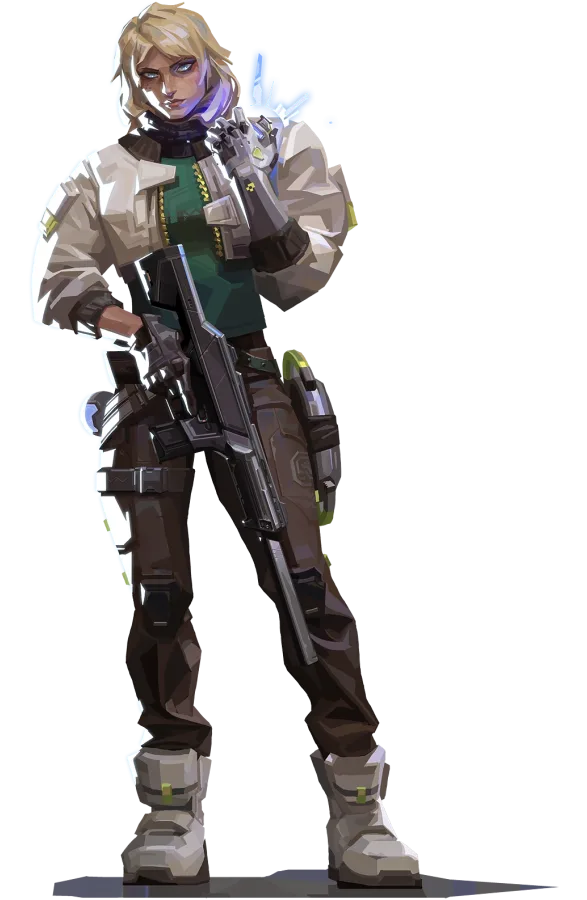
Deadlock
Deadlock
Sentinel
Killjoy
Killjoy
Sentinel
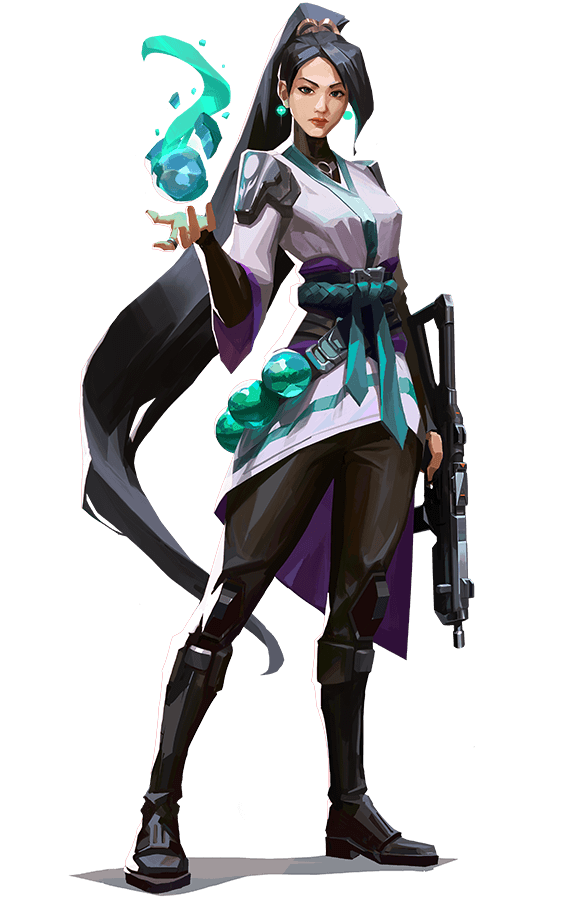
Sage
Sage
Sentinel
Veto
Veto
Sentinel
Vyse
Vyse
Sentinel
No agent matches your search.
Try other filters.
The Sentinels of Valorant

In Valorant, Sentinels are the agents built for strategic defense, area lockdown and the protection of key positions. They are the backbone of a balanced team, and they excel at locking a site down, stalling enemy pushes and watching the flanks during offensive phases.

Unlike the more aggressive Duelists, Sentinels play a methodical game built on anticipation, information and time management. With their defensive kit, traps, turrets, walls and slows, they can block key access, punish enemy flanks and force the enemy to give away their position. Their goal is not only to kill, but above all to control the pace of the round and break up the enemy advance long enough for their teammates to get into place.

The Sentinel role

  • Area lockdown: Make a site take expensive enough that the enemy backs off or loses players trying.
  • Info gathering: Spot enemy movement so the team can adjust its rotation before contact.
  • Time management: Stall the push long enough for backup to arrive, without necessarily going for the kill.

Some Sentinels are built to collect key information on enemy movement, which lets their team adjust its rotation. Others focus on pure lockdown, making a site take particularly expensive for the enemy.

What sets the role apart. A Sentinel's impact does not show on the scoreboard. A good Sentinel player does not necessarily make the highlights, but is often the quiet reason the team wins its defensive rounds.

The seven Sentinels of Valorant

The role now counts seven agents, each approaching defense from a different angle. Here is a look at every one of them.

  • Cypher: Master of surveillance and information control, thanks to his cameras and his trips.
  • Sage: The defensive support specialist, with her protective walls and her healing.
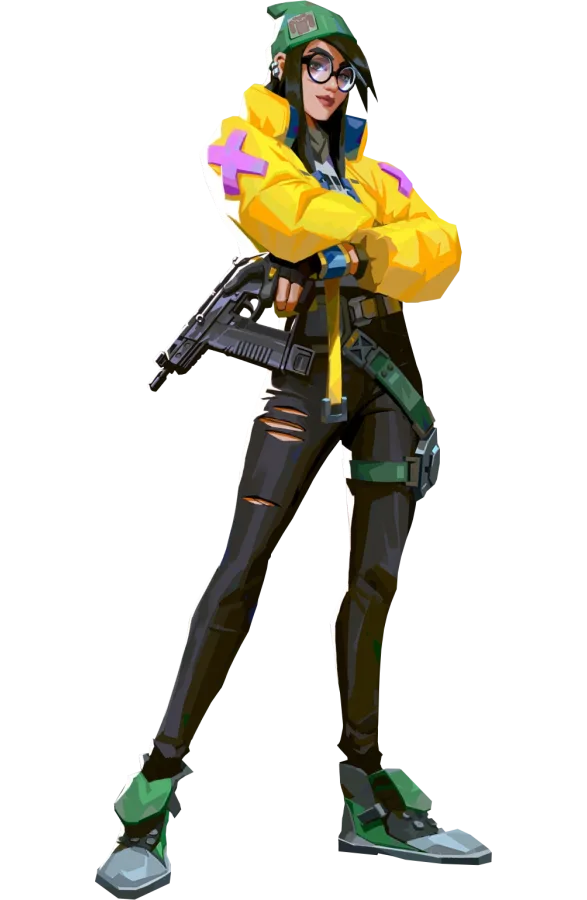
  • Killjoy: An expert in tech gadgets, able to lock a whole area down with her turret and her automated devices.
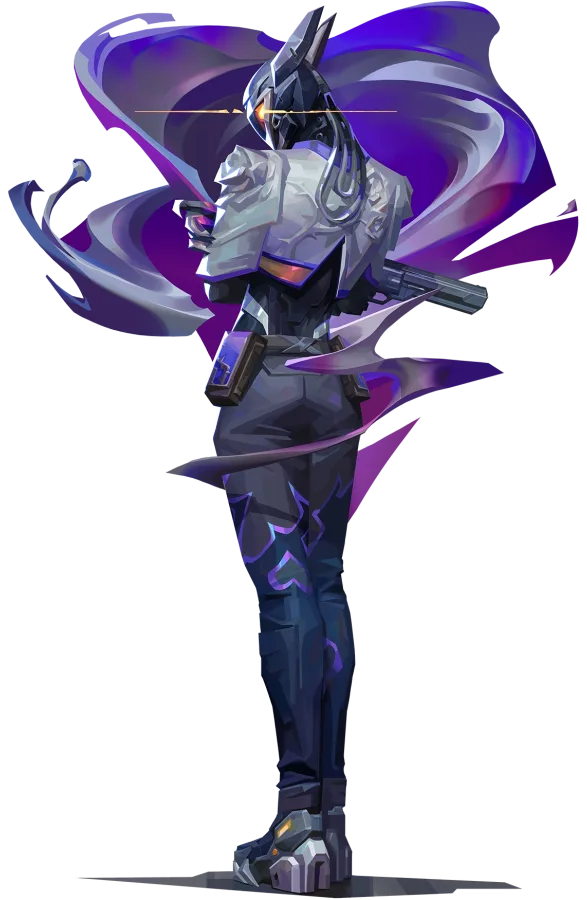
  • Chamber: A more offensive Sentinel, combining precision, teleportation and defensive control.
  • Vyse: Specialized in mechanical control and punishing engagements, able to trap an area and temporarily disarm enemy weapons.
  • Deadlock: Focused on anti-push, she uses barriers, sensors and restraints to stop a breach, isolate an area and secure a site once the position is taken.
  • Veto: The newest addition to the role, she destroys enemy utility and strips attackers of the flashes and devices their execute relies on.

What Sentinels do in a match

Buying time

On defense, Sentinels are essential for buying time before backup arrives. Their devices cover the angles a single player could never hold, which frees up bodies for the rest of the map.

A setup placed properly can hold a site for fifteen to twenty seconds without a single teammate posted there. That is exactly the delay a rotation needs to land.

Watching the back

On attack, Sentinels handle flank watch and consolidate the position after the Spike goes down. Plenty of beginners have no idea what to do with the role once they are attacking, when the answer is simple: protect the back during the execute.

A trap placed behind the team stops the enemy from pinching them. It is quiet, it earns no kills, and it wins rounds.

How to play Sentinel well

Put your utility where you are not looking. A trip placed on the angle you are already watching teaches you nothing, since you would see the enemy anyway. Your devices belong on the flank, the secondary entrance or the rotation corridor. A useful Sentinel is one who knows what is happening where she is not.

Be the last to rotate. You hear noise on the other site and you leave yours: it was a fake, and your site is now wide open. As a Sentinel, trust your devices, stay patient and let the others move first.

Adapt your setups every round. A placement repeated three rounds in a row is a placement the enemy has already worked around. Change position, shift a trap a few meters, or move your whole setup to the other site depending on the enemy economy.

Call what your devices pick up. This is what separates a decent Sentinel from a decisive one. A tripped wire or a camera spotting two players is worth nothing if the information stays in your head. Get in the habit of calling it immediately, even when you are not sure.

Which Sentinel is right for you?

It mostly comes down to what you enjoy doing during a round, and to what your team is missing most often. Here are a few pointers to get you started.

Your playstyleRecommended agents
❤️ You want to support and keep the team aliveSage
👁️ You like information and surveillanceCypher
🔒 You want to hold a site on your ownKilljoy
🎯 You have good aim and an aggressive styleChamber
🧱 You would rather block the paths physicallyDeadlock Vyse
🚫 You want to break enemy utilityVeto

Just starting out? Start with Sage to understand the fundamentals of defensive positioning without the complexity of setups. Then move on to Killjoy to learn utility placement. Finally, if you like pure information, Cypher will reward you as your map knowledge deepens.

The pillar of defensive stability

Sentinels play a fundamental part in the structure of a team composition. They provide defensive stability, secure the sensitive areas and let the other roles express themselves more freely. For players who enjoy strategy, anticipation and tactical control, the role offers a particularly rewarding depth of gameplay.

Explore

THE OTHER ROLES

Duelists

Self-sufficient fraggers built to take site and win their duels.

Initiators

Scouts who flush enemies out and open the way for their team.

Controllers

Map controllers who cut sightlines and dictate the pace of the round.

SENTINELS: FREQUENTLY ASKED QUESTIONS

The Sentinel is the role whose impact is the least visible on the scoreboard, which is exactly why it raises so many questions. Here are the ones that come up most from players discovering the role, or hesitating between several agents.

The role now counts seven agents: Sage, Cypher, Killjoy, Chamber, Deadlock, Vyse and Veto, the last being the most recent addition to the category. It is the most varied role in terms of defensive approach, since it covers pure healing with Sage as well as utility destruction with Veto, by way of surveillance and automated lockdown.

Sage is the best entry point to the role, and one of the best agents in the game for learning Valorant in general. Her kit is intuitive, a wall to block a path, a slow, a heal and a resurrection, and it asks for no advanced map knowledge. Killjoy makes a good second step for learning how to place defensive utility, before moving on to Cypher, who rewards a fine grasp of positions.

In the vast majority of cases, yes. Without a Sentinel, a team has no reliable way to watch its flanks or to stall a site take while backup arrives. A few pro compositions do without one on very compact maps where rotations are fast, but those are exceptions prepared in advance. In solo queue, playing without a Sentinel almost always means giving ground away for free.

Cypher is built around information: his cameras and his trips reveal enemy positions, but that information is only worth something if it gets called to the team. Killjoy is built around active control: her turret shoots, her devices deal damage and her ultimate locks players down, which lets her hold a site alone without depending on comms. On a team that talks, Cypher has the higher impact; on a silent team, Killjoy remains the safer pick.

Author: Yassine